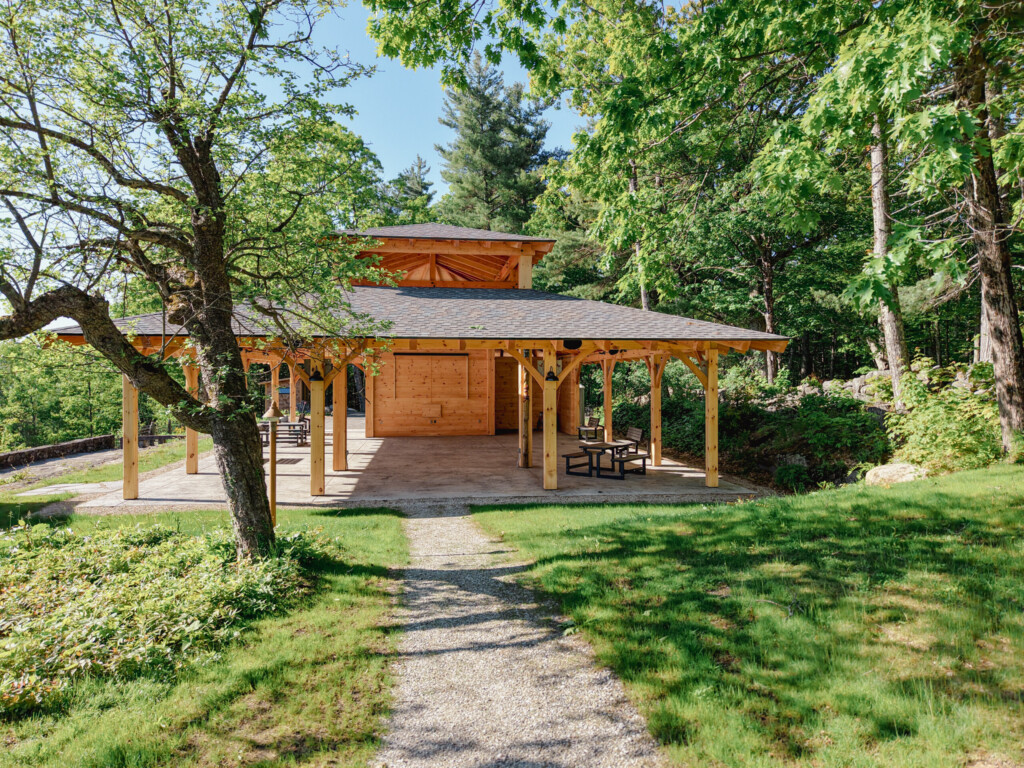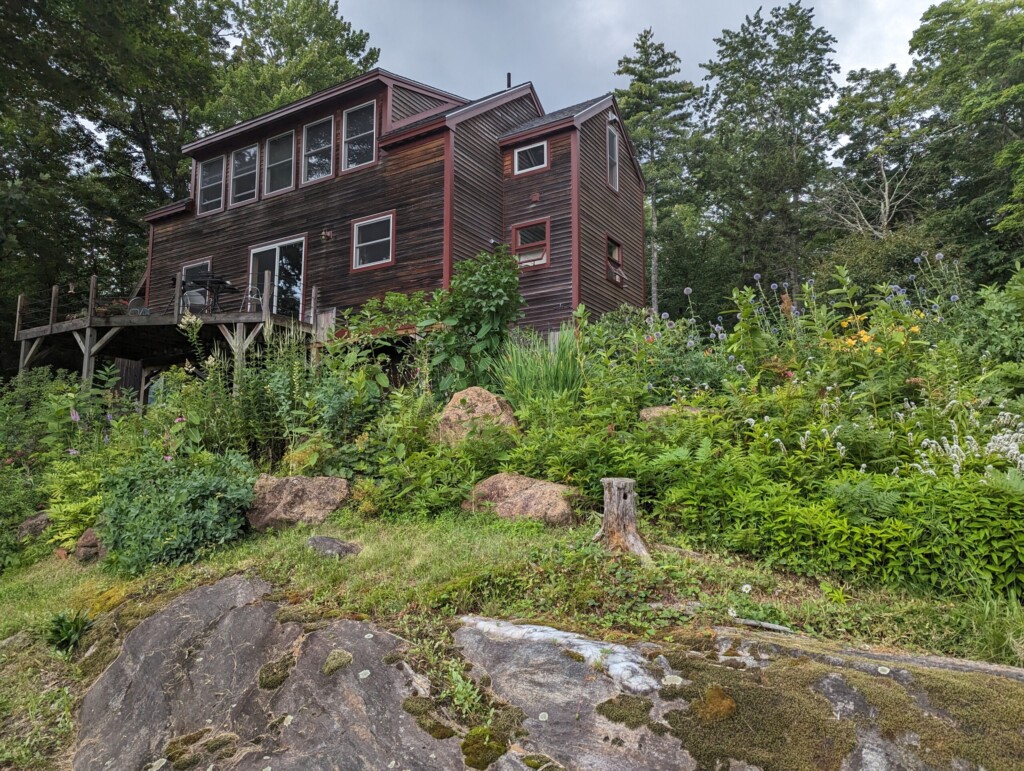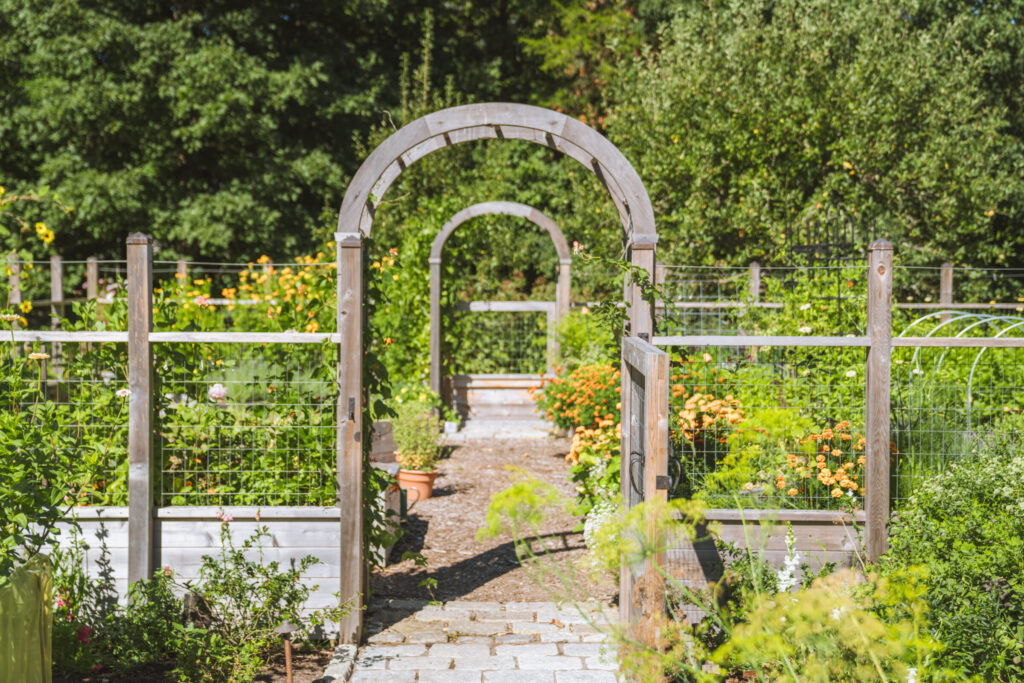

Creating a welcoming entrance to Marlboro College that celebrates native plant communities and steep landforms.
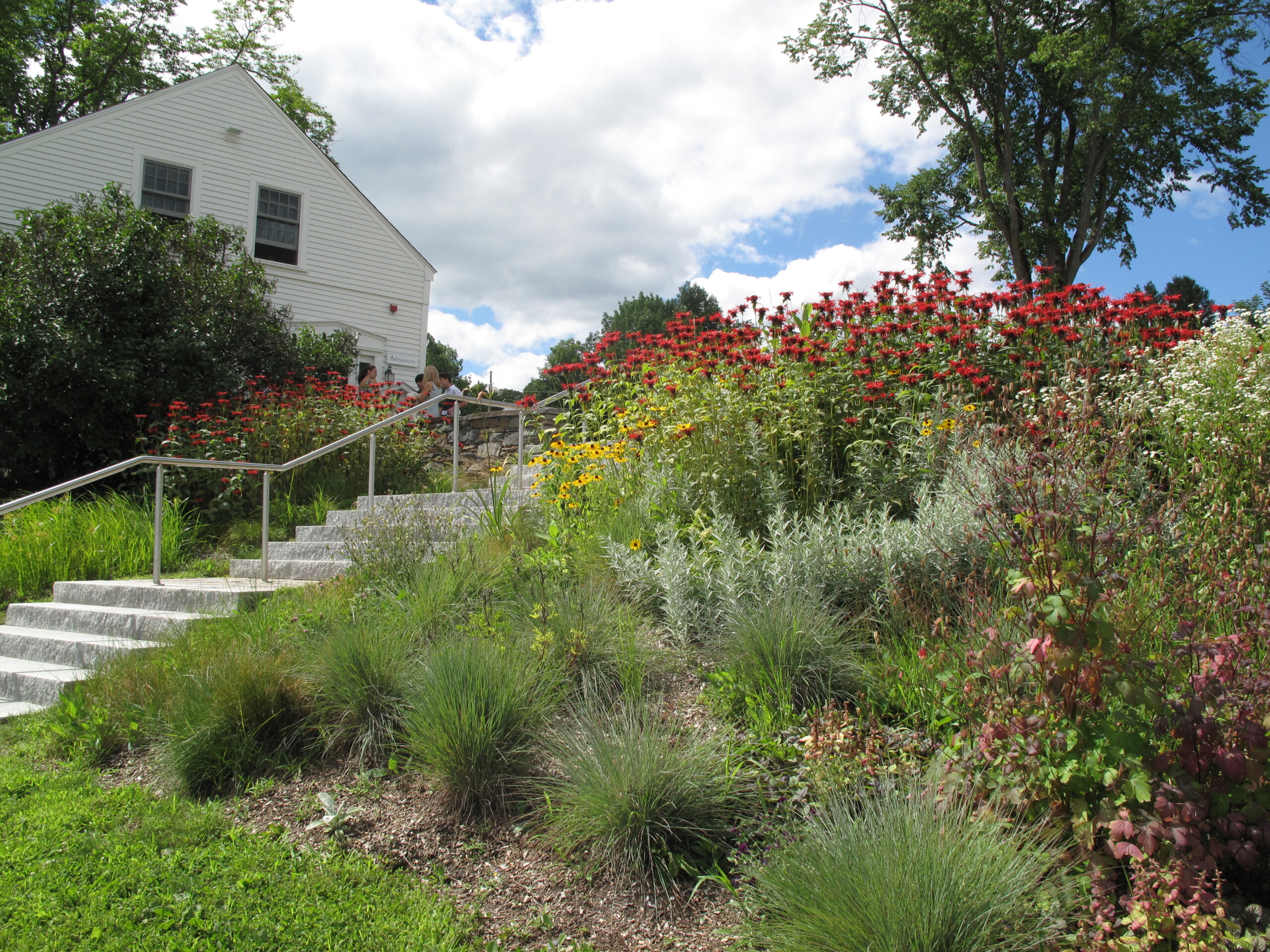
In addition to teaching two ecological design courses for Marlboro College, RDG provided site design and implementation for the campus center and gateway. Students were involved in the construction process which included exposing swaths of rocky outcrops and installing specialized plants adapted to shallow soils. Requiring little maintenance and irrigation over time, this gateway garden will become a living demonstration of a rare and beautiful Vermont mountainside habitat.
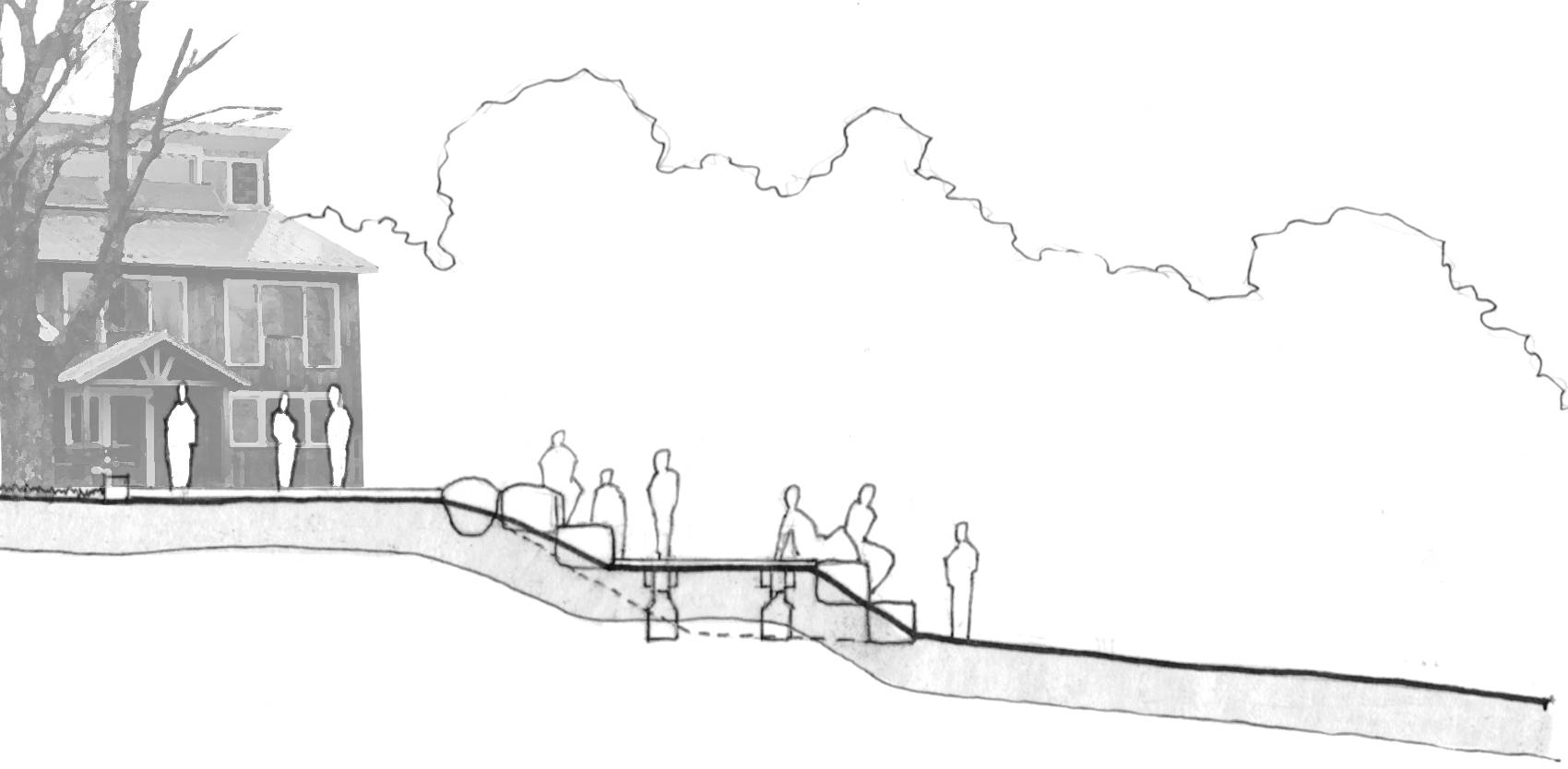
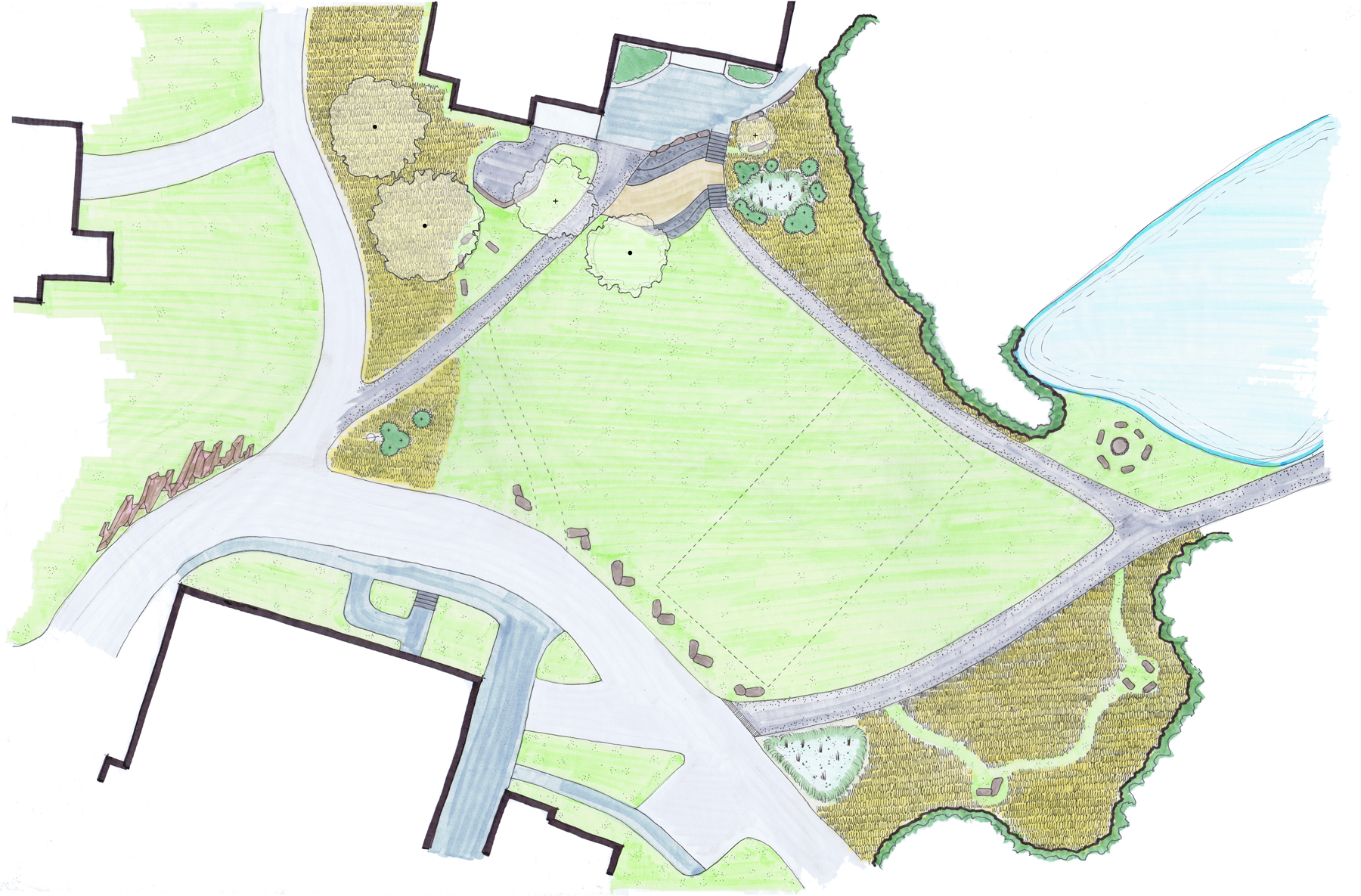
A series of underutilized spaces at the campus center was reimagined as the Marlboro College Meadow, with students and faculty participating in the design process. The new design puts the pulse back into the heart of Marlboro’s campus, with improved circulation, raingardens, and space for events.
Pedestrian traffic was reoriented to the edges of the lawn to provide central open space for recreation. A diversity of social spaces surrounding the Marlboro College Meadow include an outdoor classroom, a stage, movable benches, fire circle, and skating rink. The design establishes the road as “people space” so that access for vehicles becomes secondary to pedestrian uses. Parking is discouraged along the side of the road by adding seating nooks that act as bollards. Areas like the low maintenance meadow and pond’s edge are managed for habitat in addition to other ecological functions.

Client
Marlboro College
Marlboro, VT
Key Features
- Improved wayfinding, access, and circulation across campus
- Native Vermont habitats and plant communities
- Significantly reduced lawn
- Multifunctional designs improve aesthetics and spatial function
- Improved ecosystem services
- Education through traditional semester courses and informal hands-on workshops
- Community involved design process
Services
- Soil, Slopes, Access, and Vegetation analyses
- Master planning
- Schematic site design
- Planting plan
- Participatory design charrettes
- Educational workshops
- Implementation management