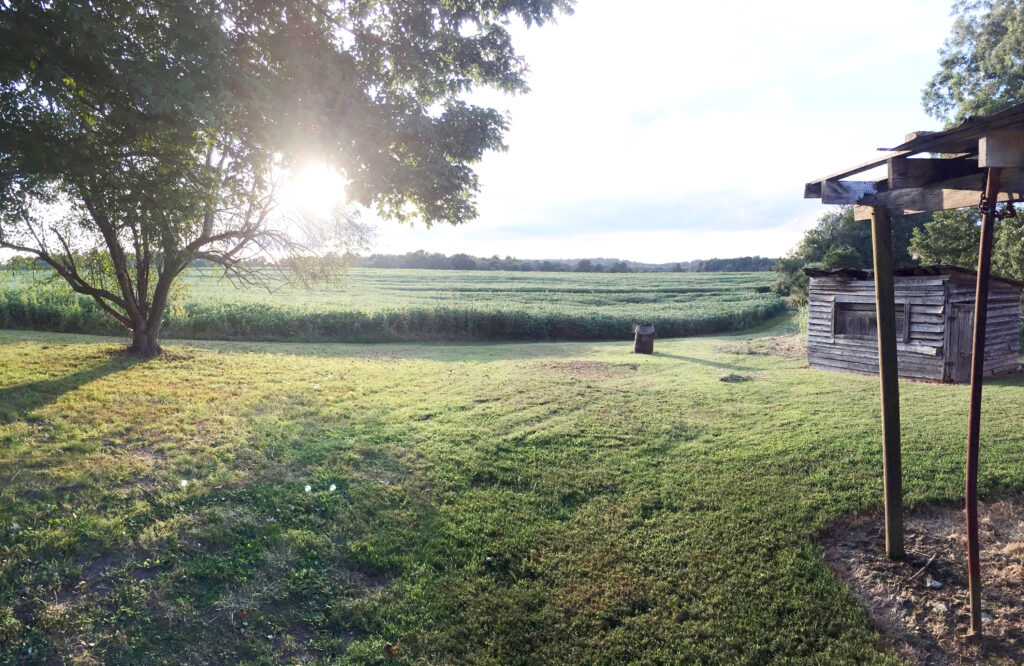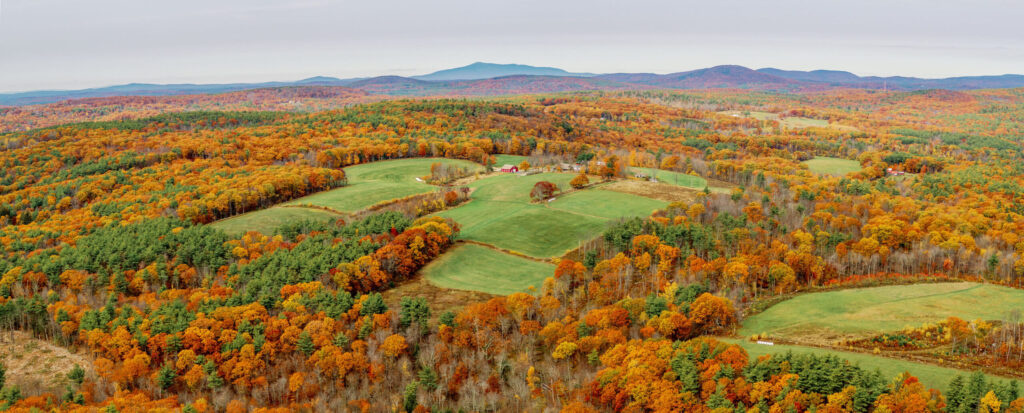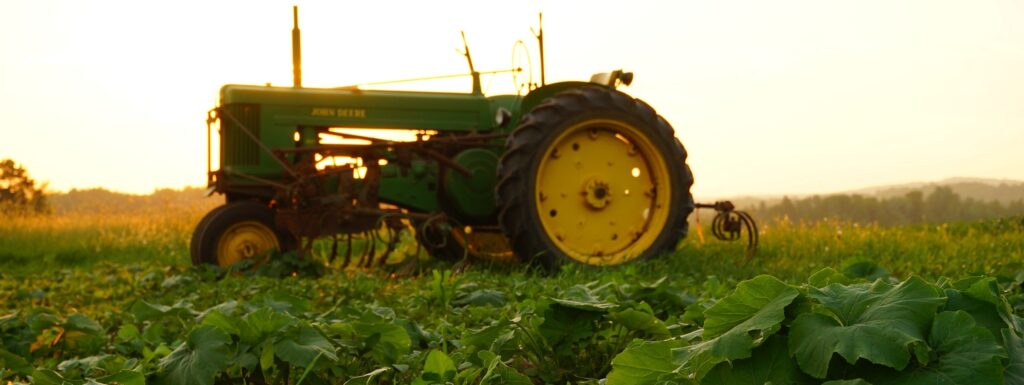
A regenerative agriculture site plan gives the stewards of Battle Road Farm practical strategies for farm development.

The Minute Man National Historical Park protects 845 acres of farmland, forest, fields and wetlands where the first battles of the U.S. Revolutionary War were fought. Each year over 1.5 million visitors pass through the park’s working farms, meadows, wetlands, forests. The natural and historical resources of the Park provide exciting opportunities for recreation as well as direct farm sales, farm-based education, and seasonal events.
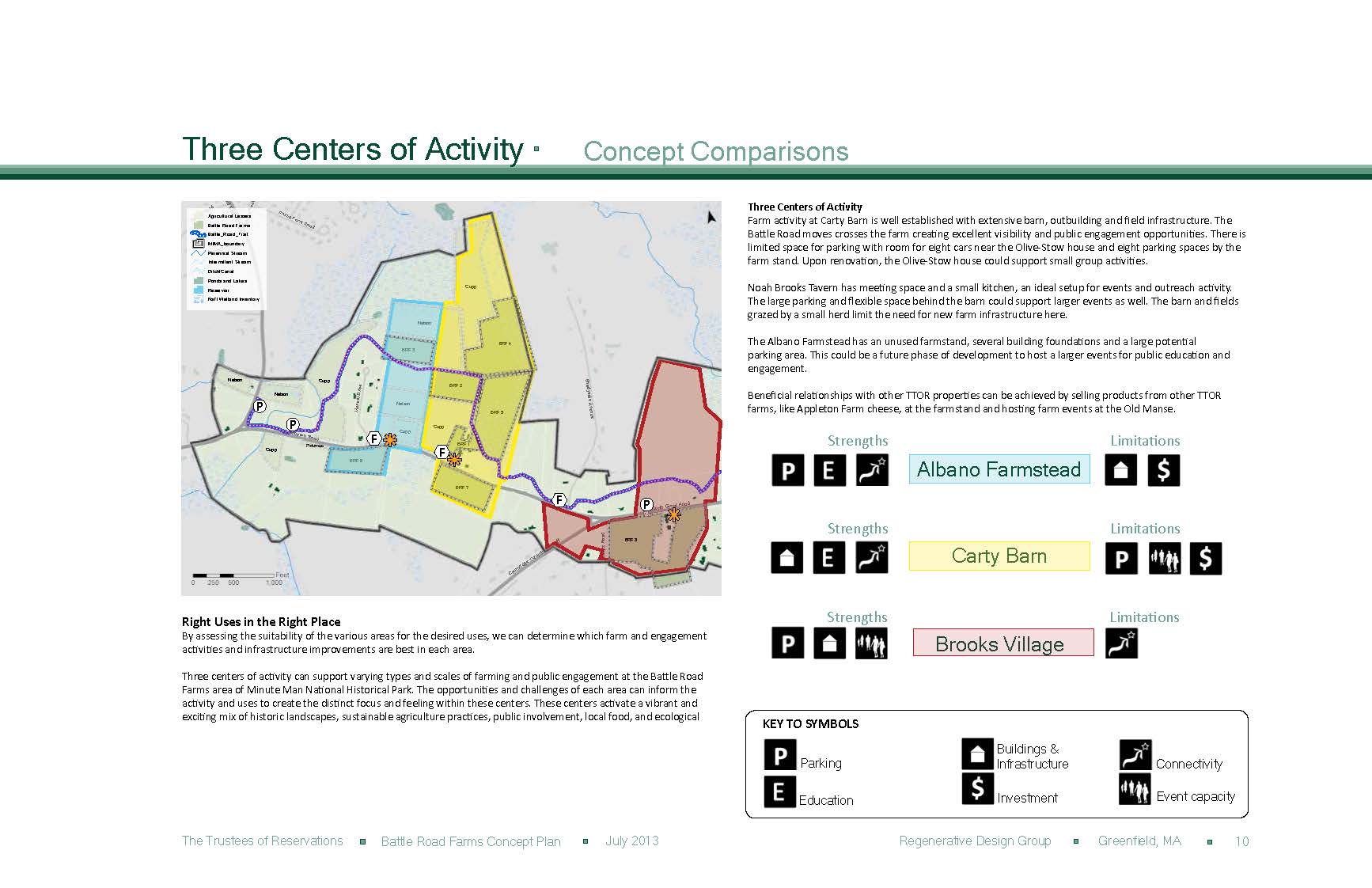
In 2013, Regenerative Design Group developed a regenerative agriculture plan for the Battle Road portion of the park. The plan helped The Trustees of Reservations and the National Parks Service to evaluate the land’s agricultural capacity while enhancing ecological, economic and cultural opportunities.
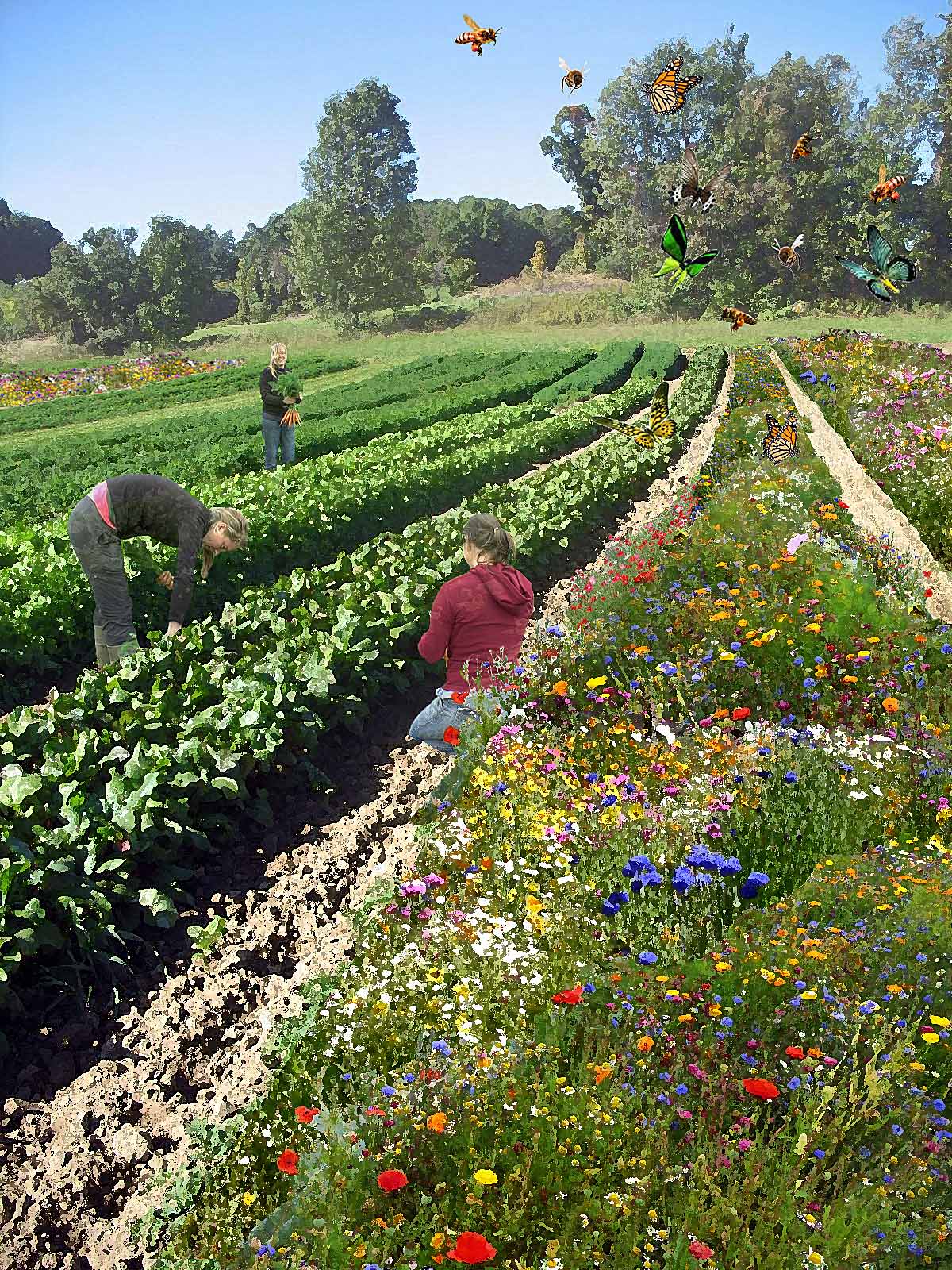
Working with historic land use studies, current ecological data, satellite imagery and existing land cover patterns, RDG crafted a series of analyses and recommendations to unify divergent aims. Illustrations and technical specifications for regenerative agriculture were given for each of the land use typologies in the Battle Road focus area. The renderings convey the unique look and feel of these strategies as an attractive new pattern language for the park.



Client
Battle Road Farm at The Minute Man National Historical Park
Concord, MA
Key Features
- Enhanced ecological services
- Sustainable grazing lands and silvopasture
- Productive conservation land and wetland buffers
- Enhanced access and visitor experience
- Hedgerows and living fences for wildlife habitat
Services
- Facilitation of multi-agency visioning
- Assessment of agro-ecological potential
- Development of land use typology
- Illustrated pattern language for regenerative agriculture
- Recommended action plan