
From 2022 to 2024, RDG partnered with Wellspring Forest Farm and Inhabit Films to document silvopasture practitioners across the Northeast. Together, we produced a regional inventory, a video series, and downloadable case studies.
Through this multi-year collaboration, Regenerative Design Group worked with Wellspring Forest Farm and Inhabit Films to better understand how silvopasture is being practiced across the region — and to make those examples easier to share and learn from.
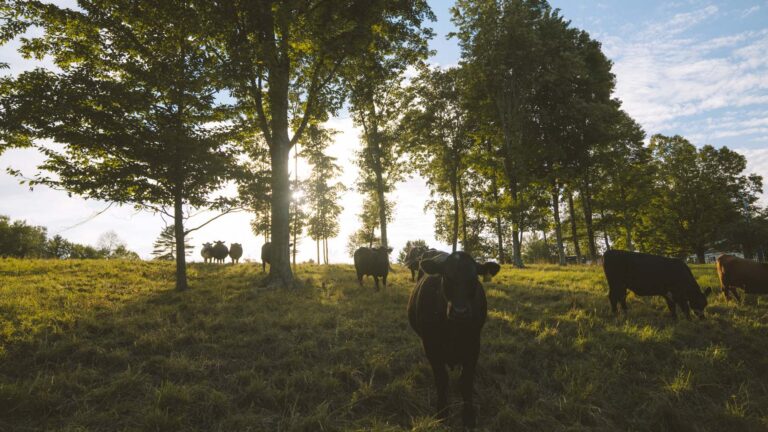
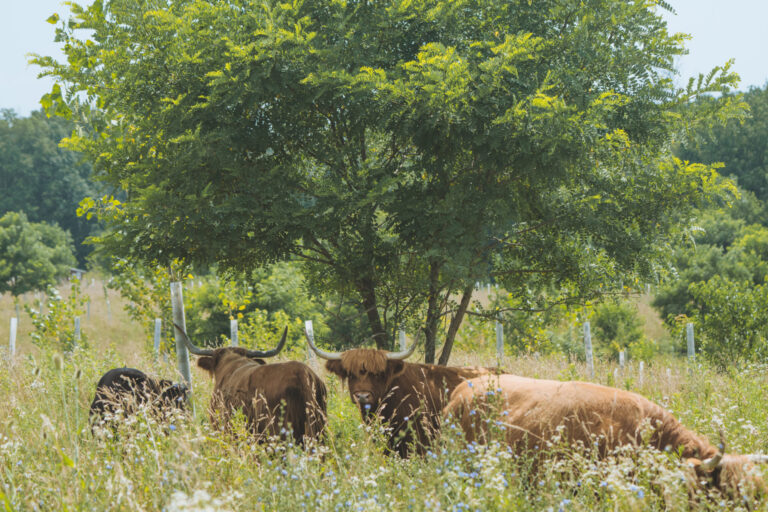
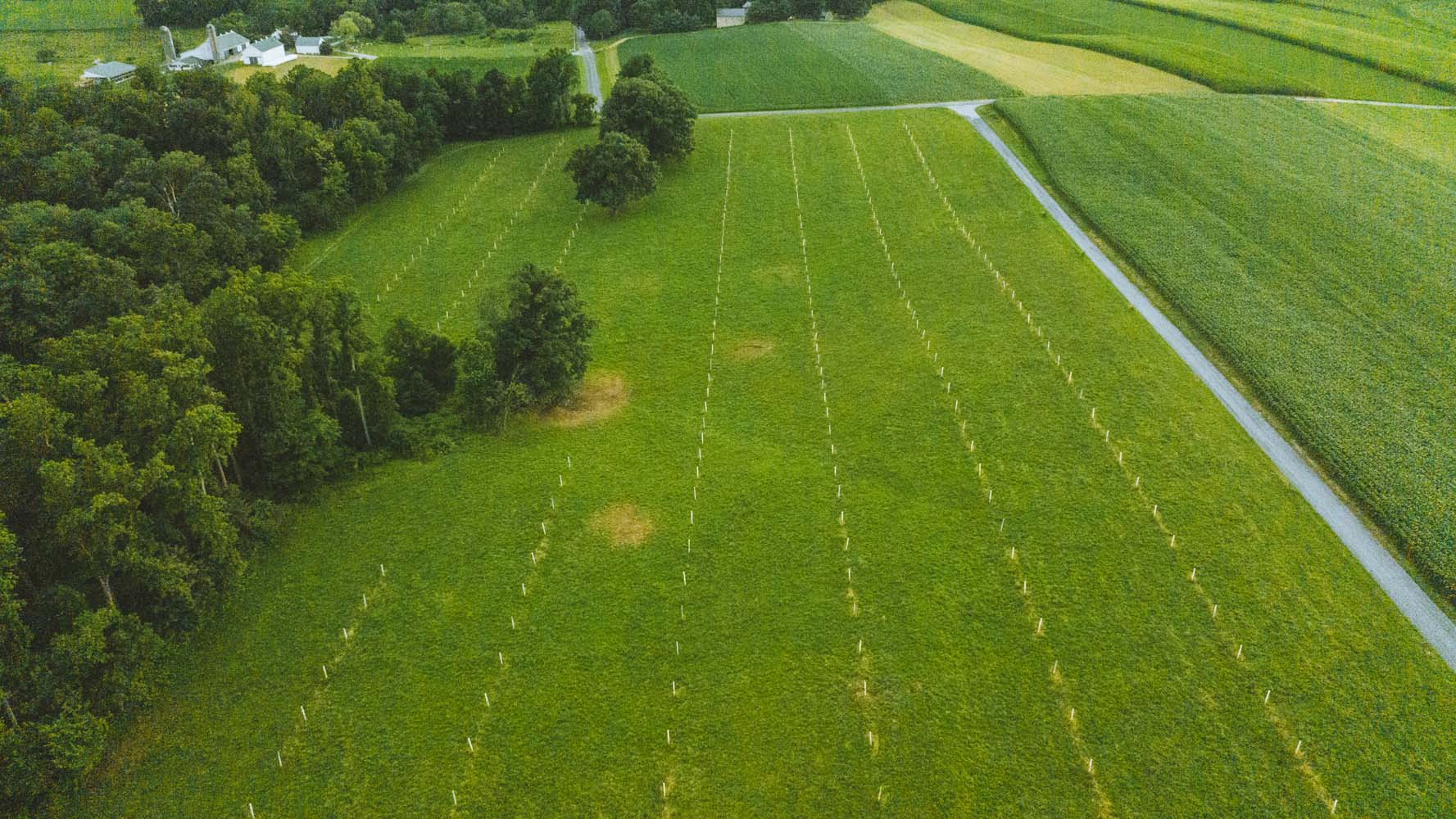
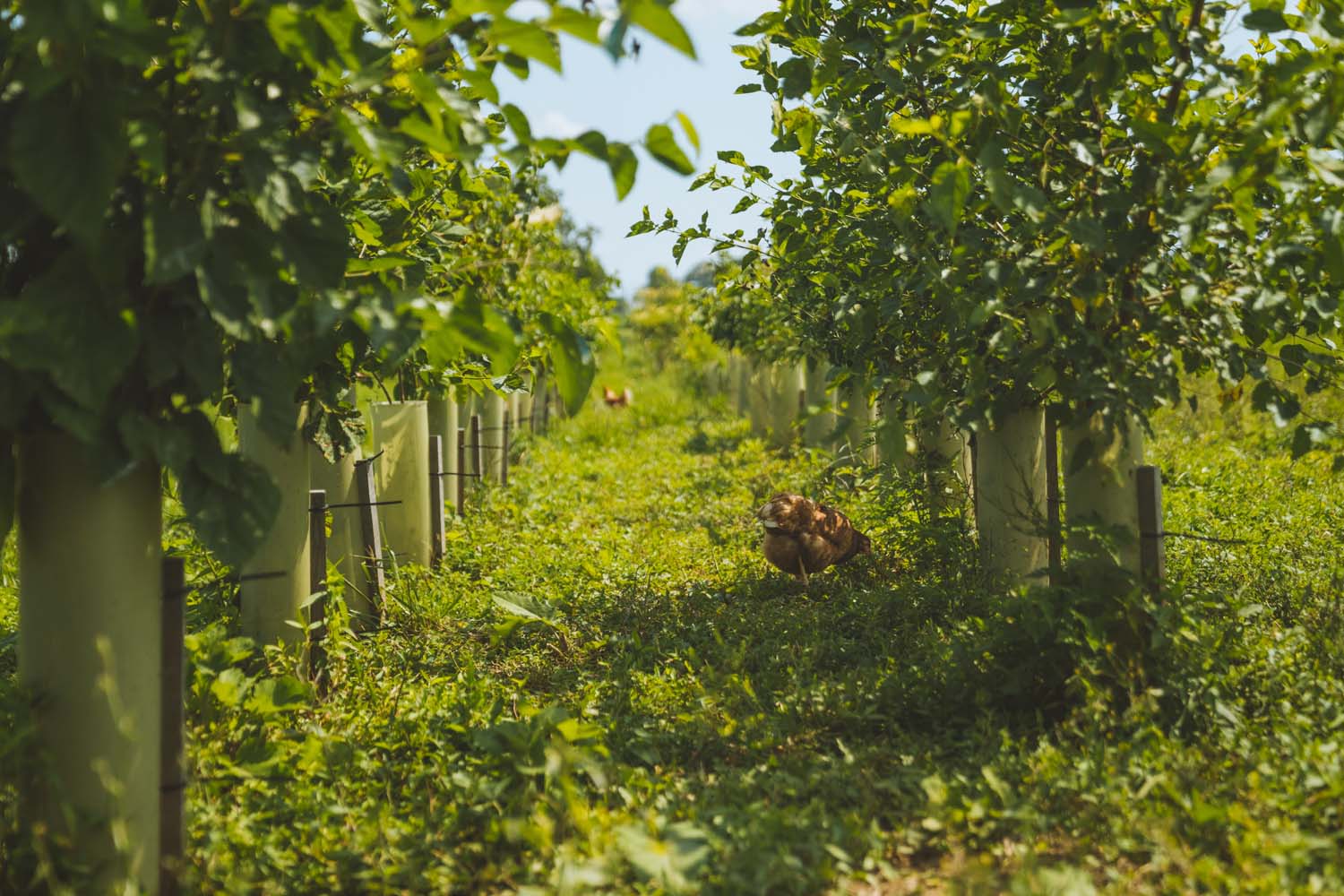
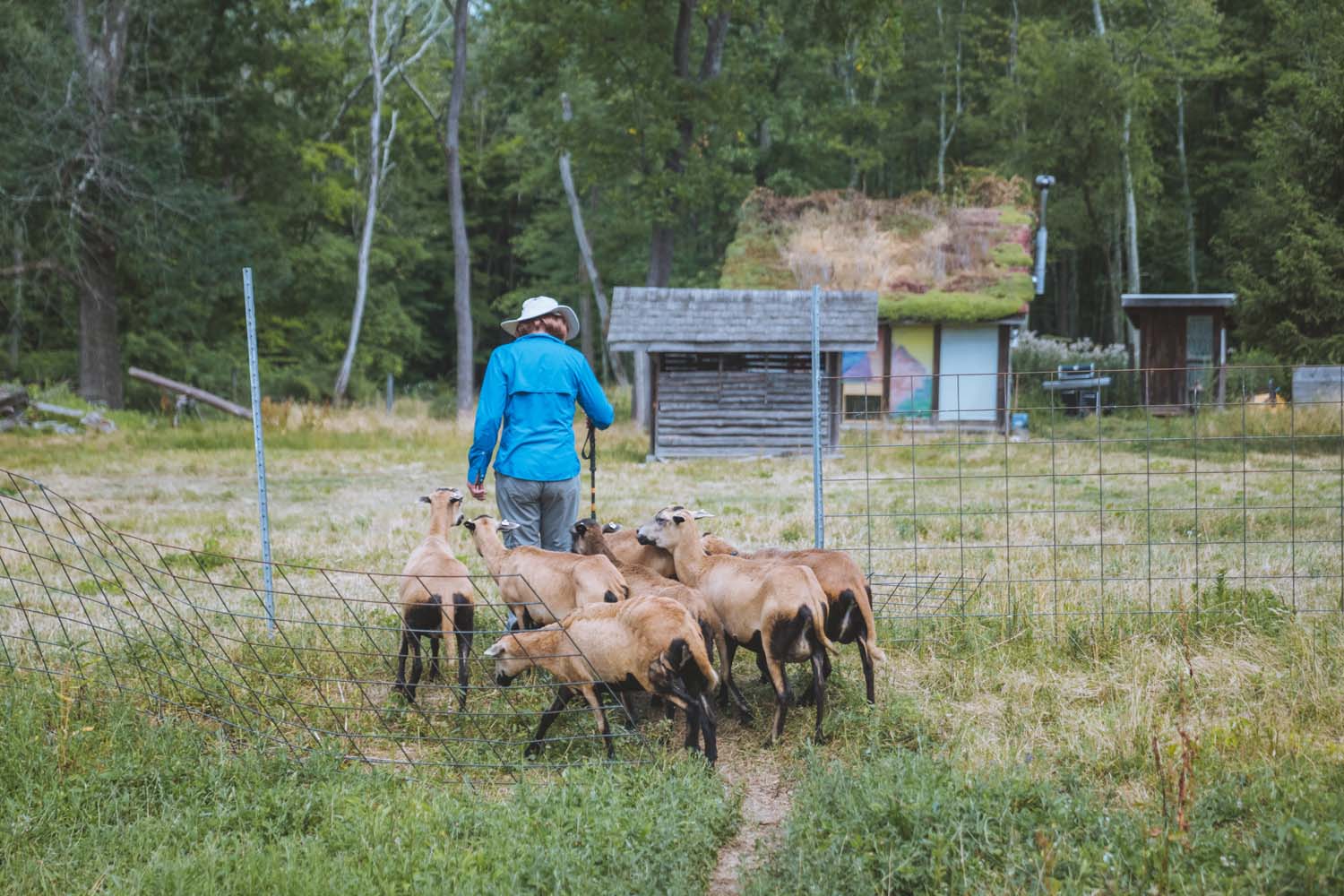
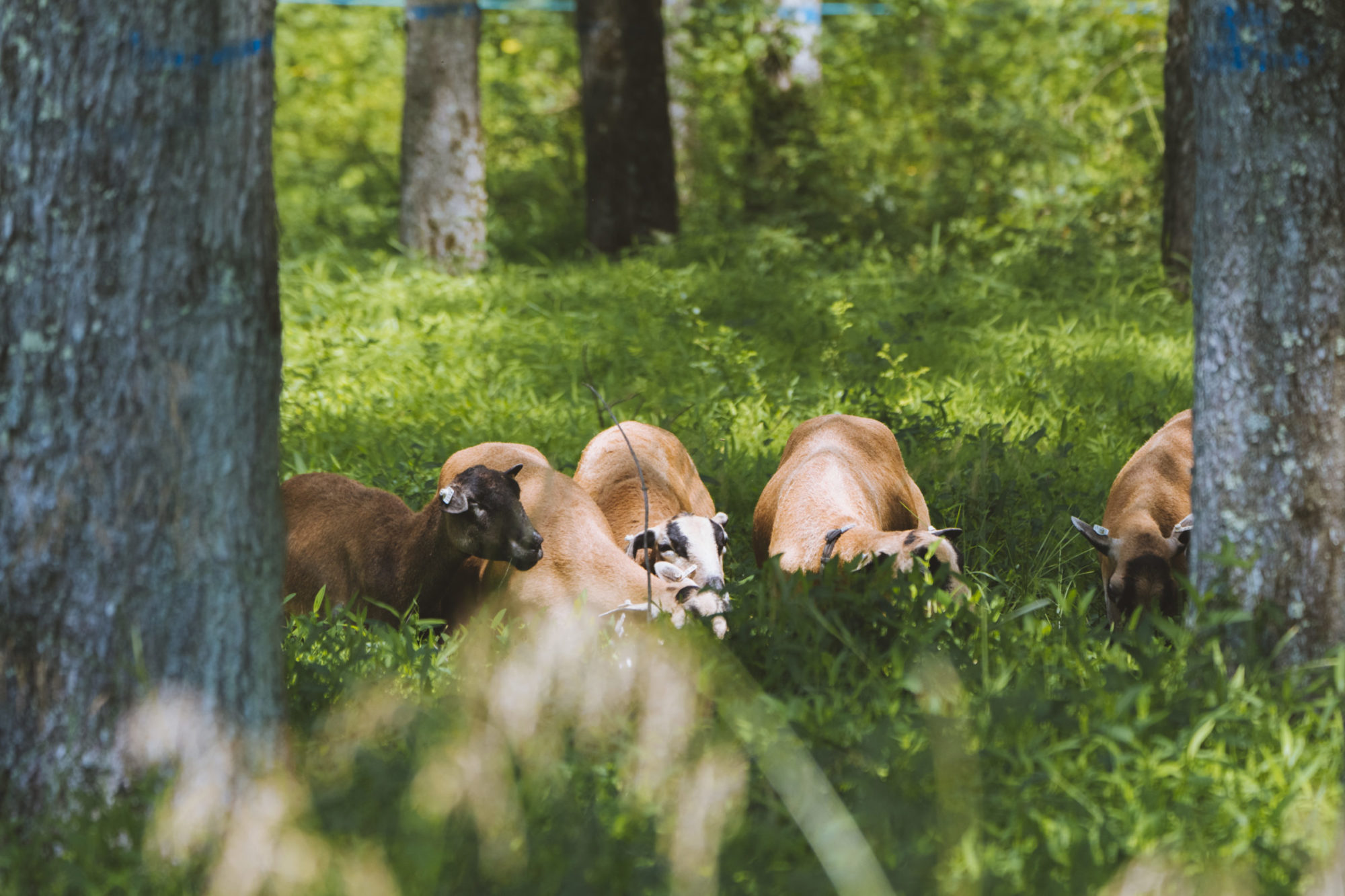
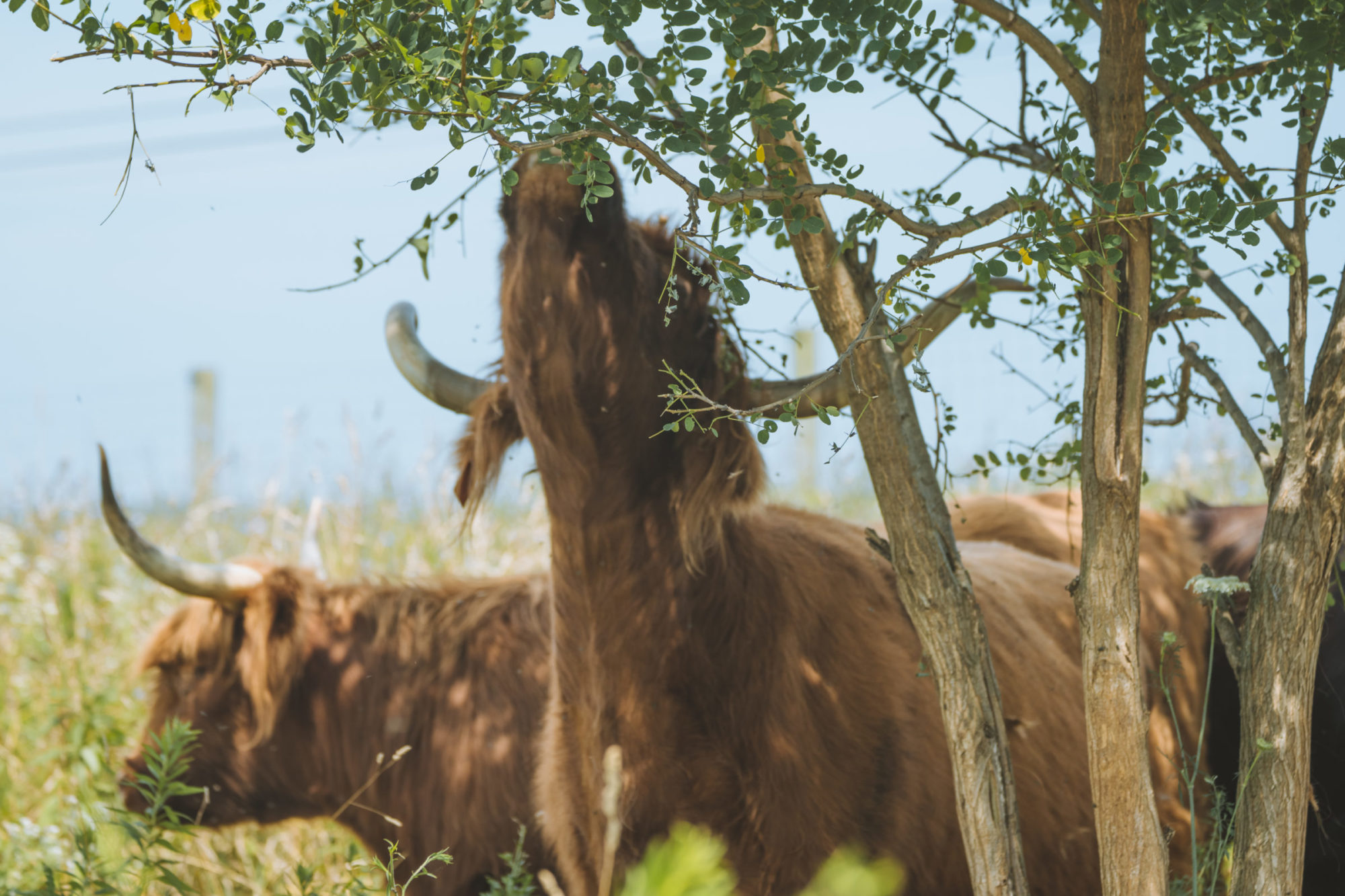
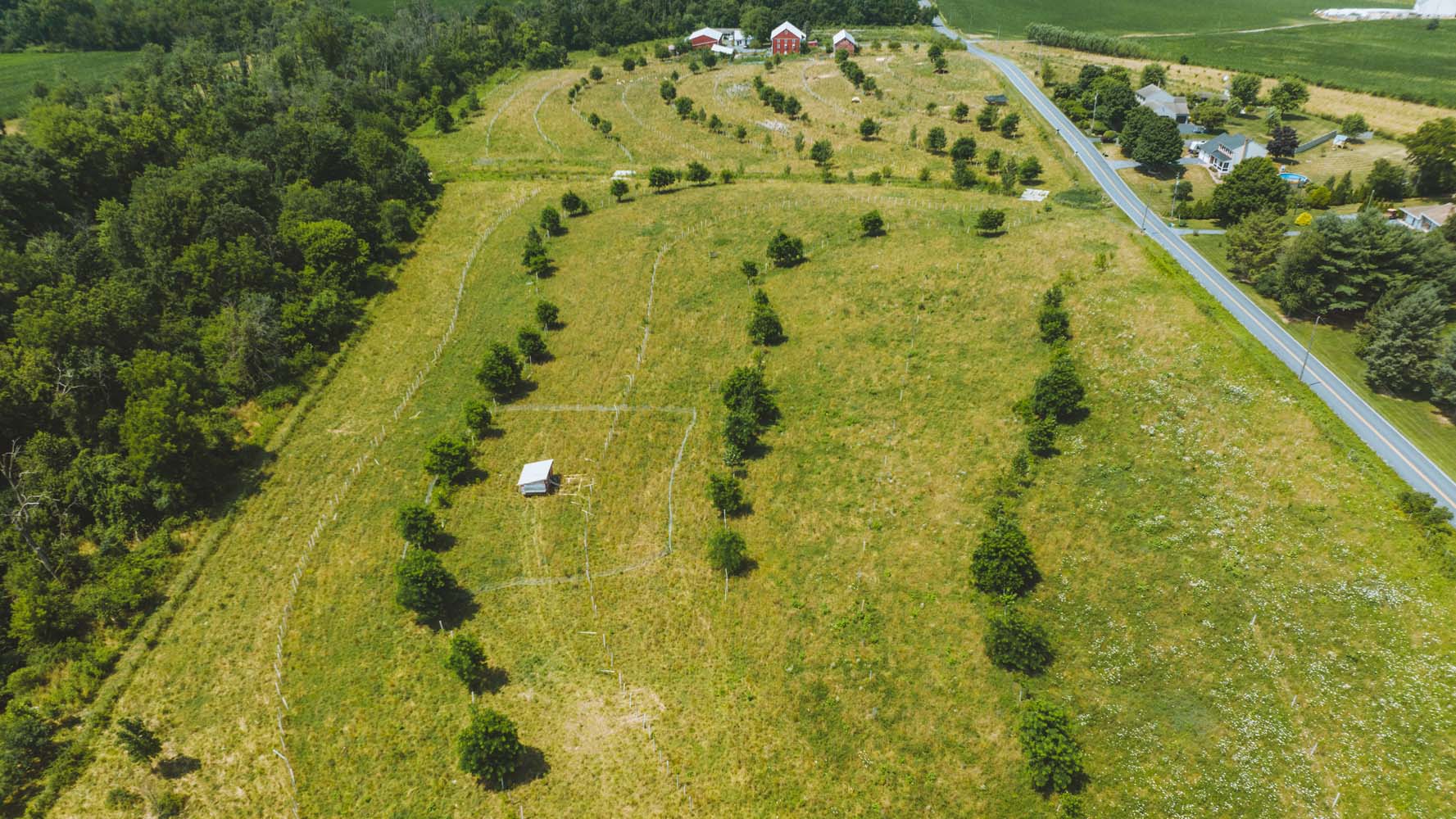
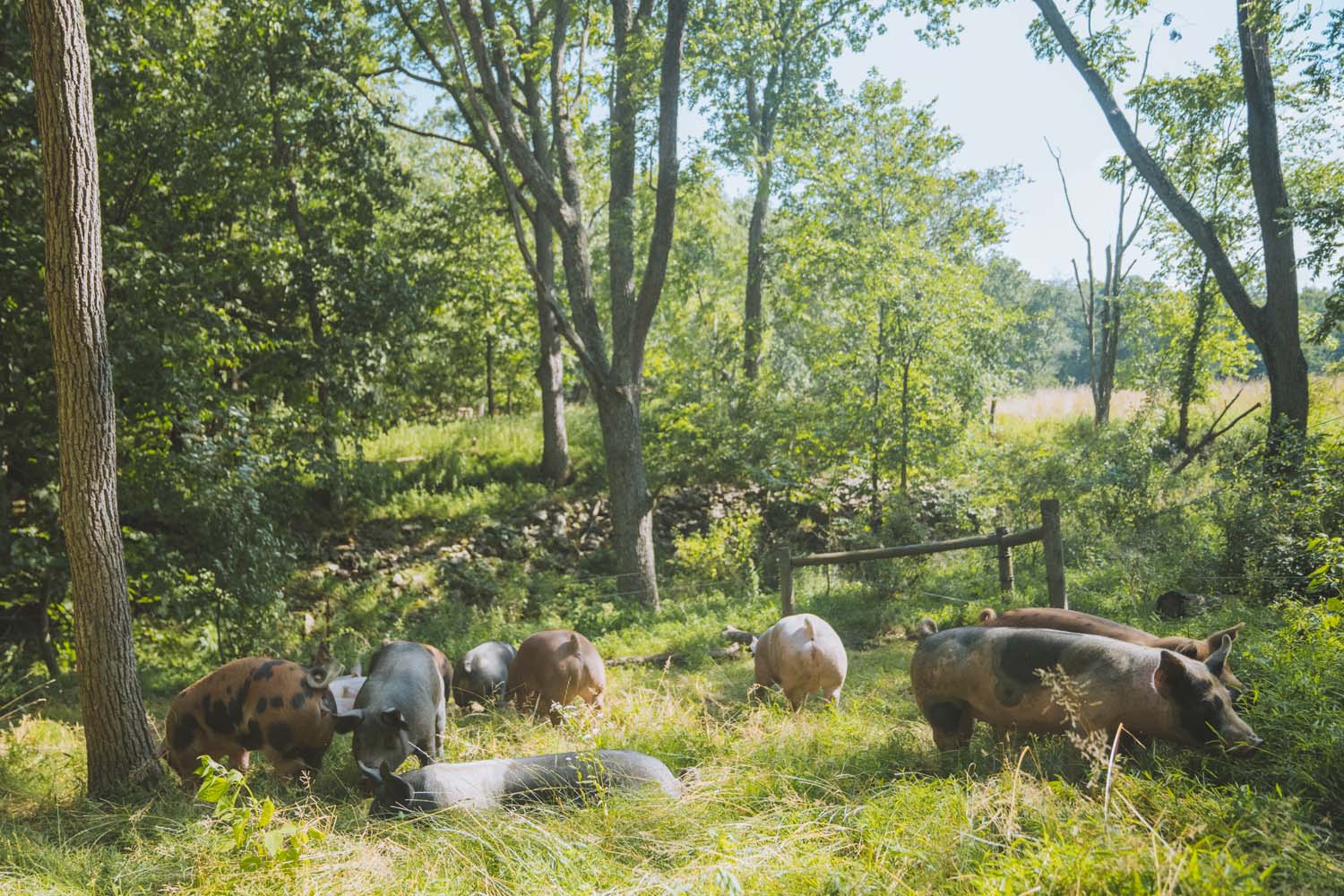
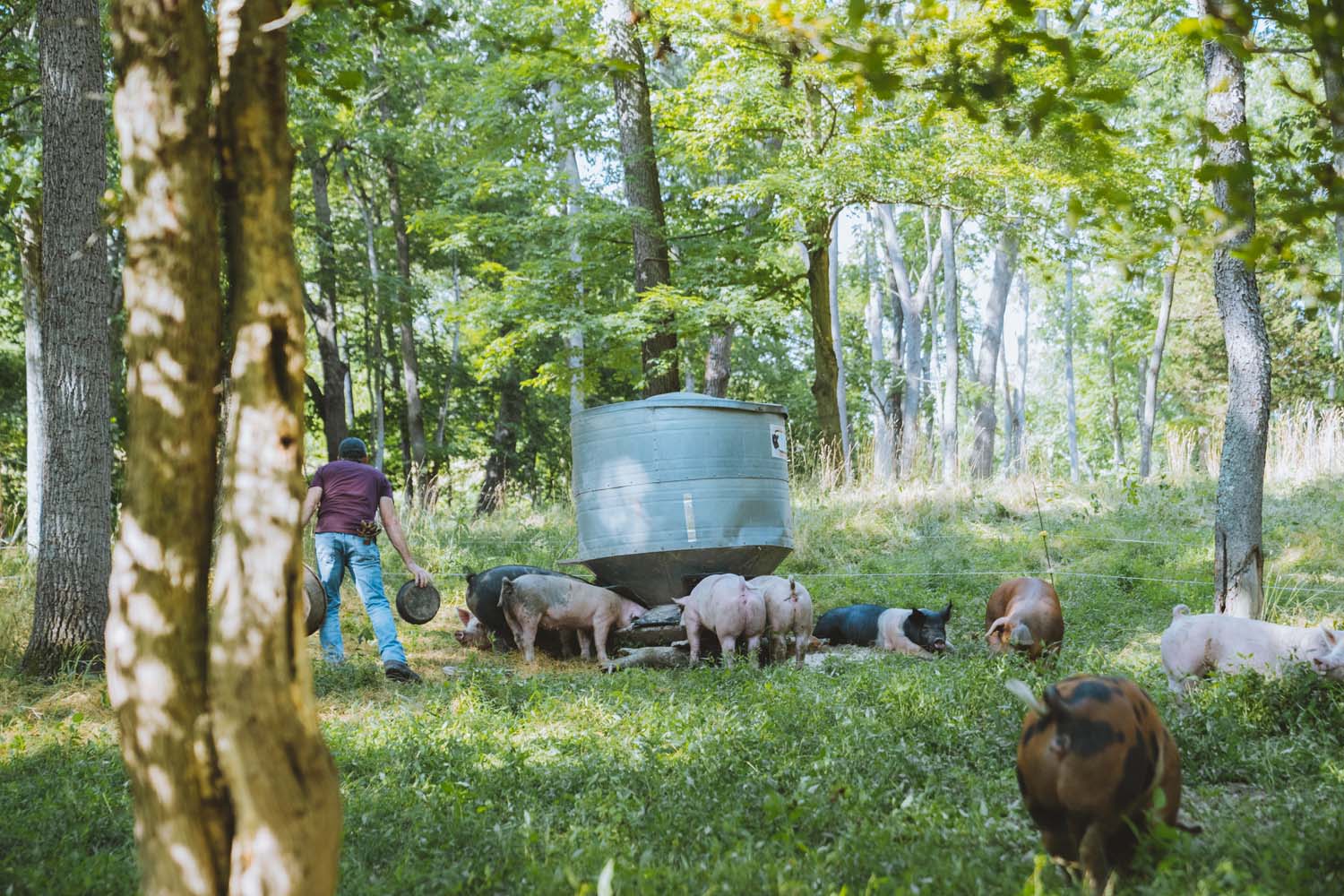
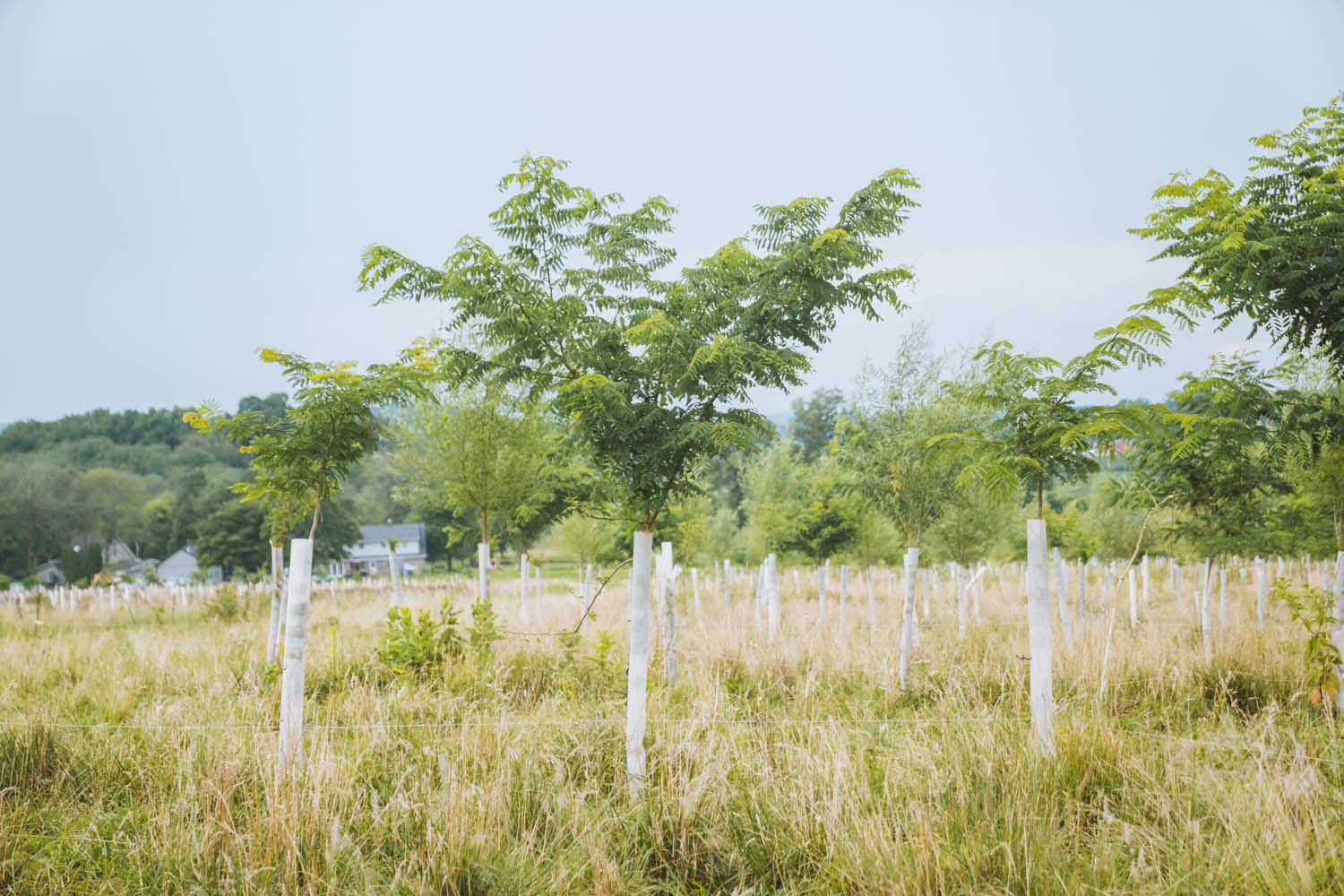
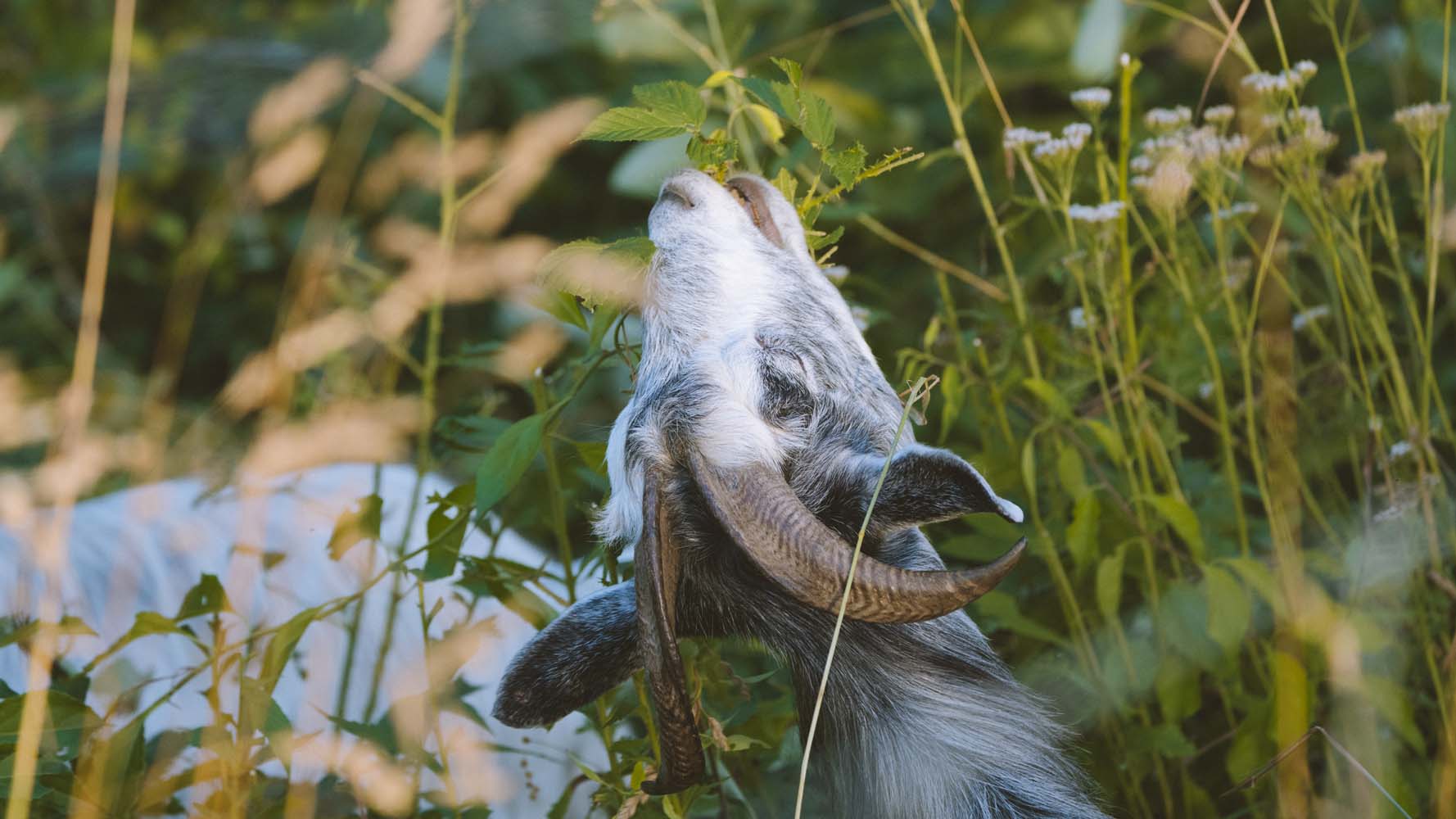
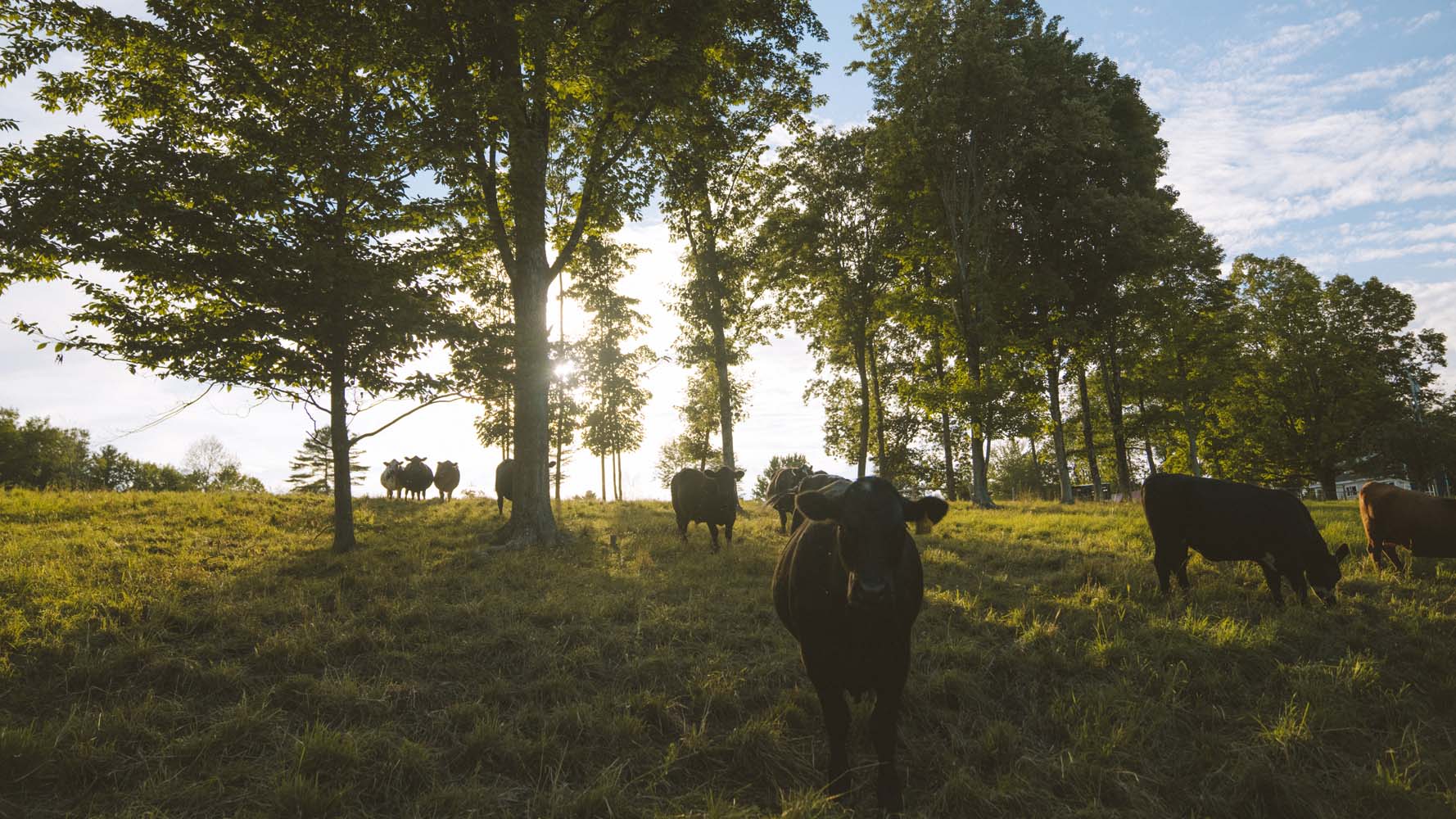
Silvopasture integrates trees, livestock, and pasture into a single working landscape. When thoughtfully stewarded, it supports soil function, animal health, biodiversity, and long-term farm resilience. Interest in the practice continues to grow, but real-world examples are often scattered and hard to access. This project set out to bring those examples together.
Starting with the People Doing the Work
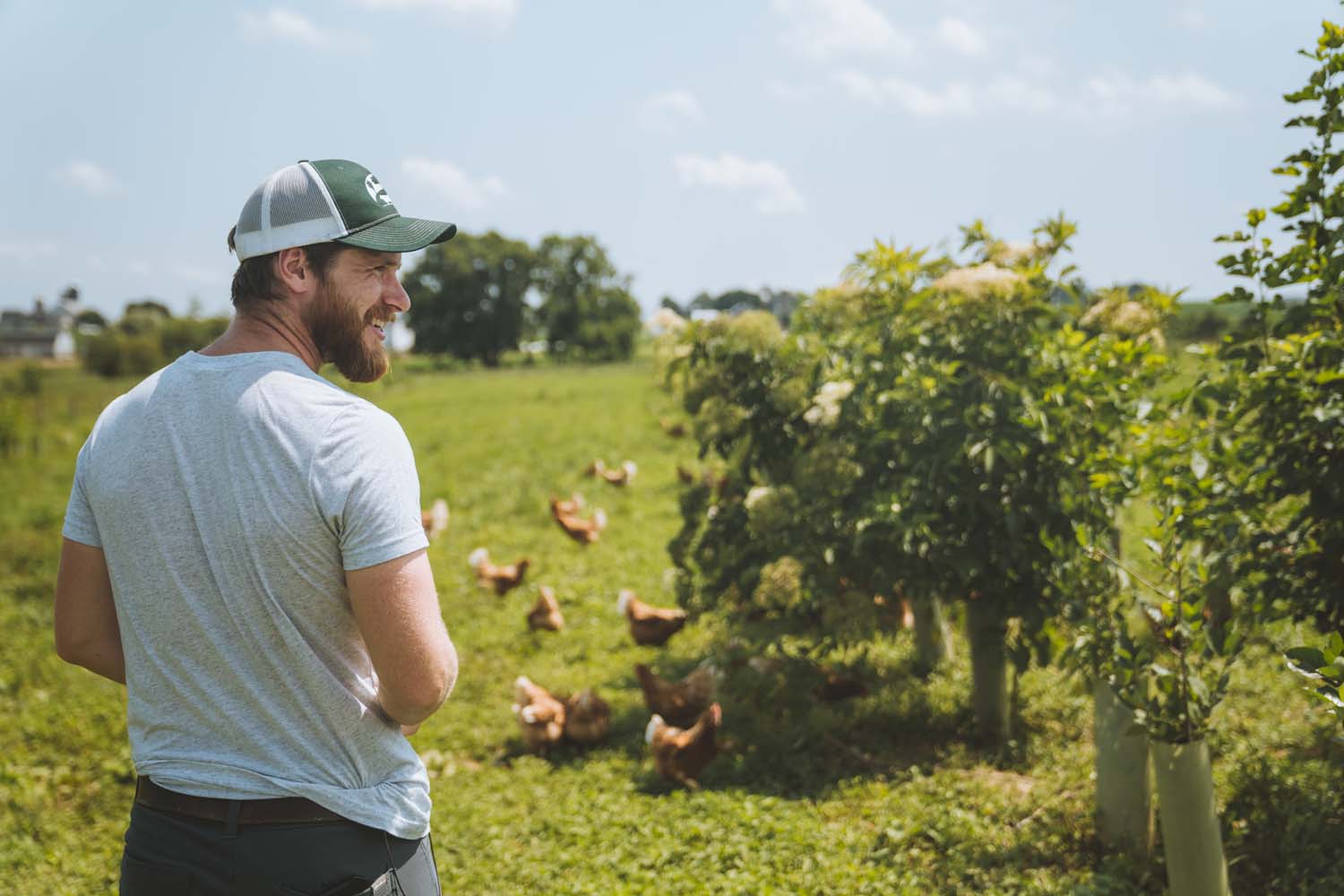
We began with a simple question: who is already practicing silvopasture in the Northeast, and what can we learn from them?
When we put out a call for practitioners, the response was immediate and energizing. We heard from 145 farmers across nine states — Maine, Vermont, New Hampshire, Massachusetts, Connecticut, New York, Rhode Island, New Jersey, and Pennsylvania. Collectively, these farmers steward nearly 27,000 acres of working land, with more than 5,300 acres actively managed as silvopasture.
The inventory revealed a wide range of approaches shaped by climate, land base, livestock type, and management goals. It also helped us identify farms whose work could illustrate silvopasture in practice.
Bringing Practice to Life on Film
From that group, we selected a diverse set of farms for a video series developed in collaboration with filmmaker Costa Boutsikaris of Inhabit Films.
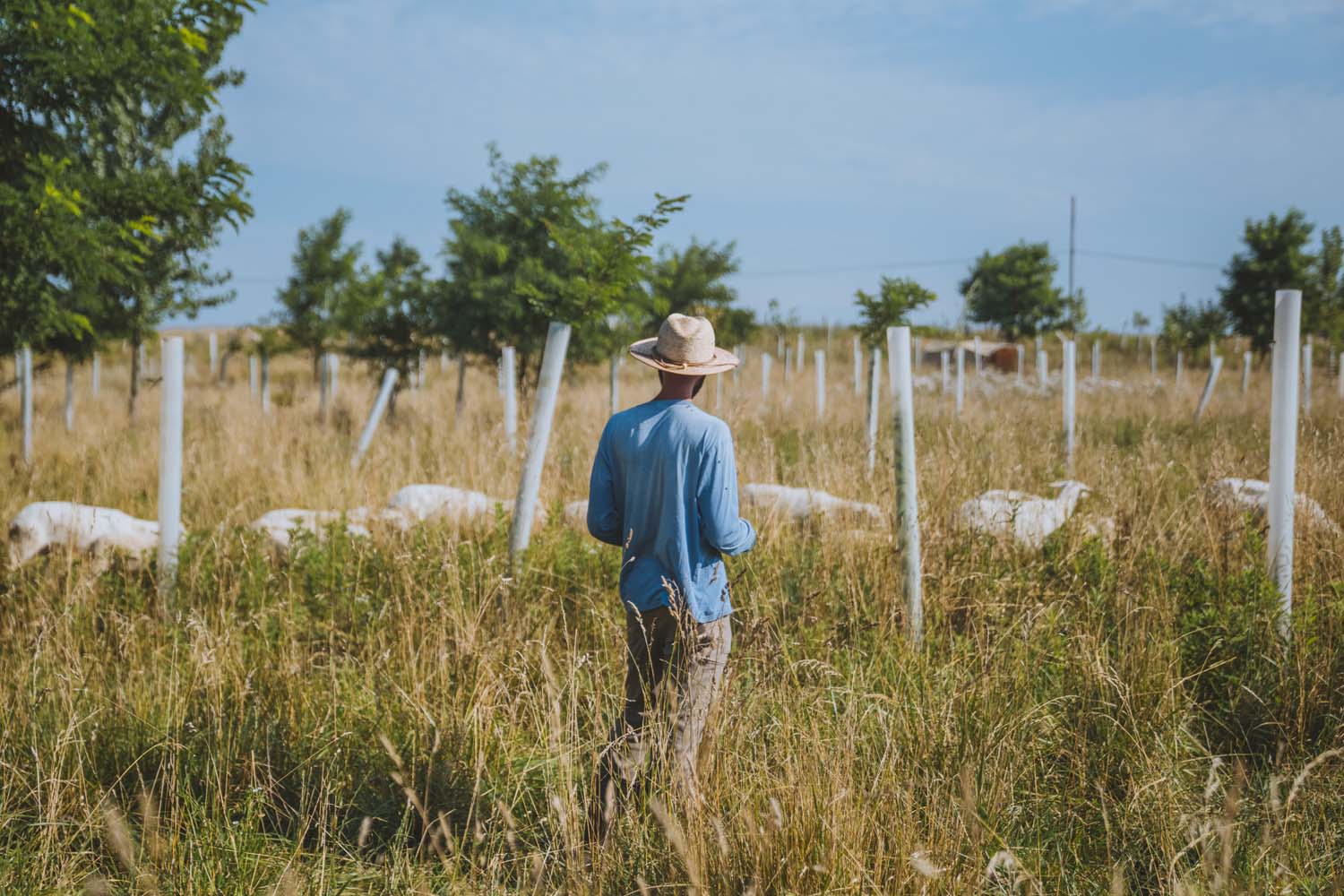
Across multiple field seasons, our team traveled throughout the region to document how producers integrate trees and livestock in ways that support:
- Animal comfort and welfare
- Soil health and nutrient cycling
- Shade, forage, and microclimate management
- Long-term farm viability and resilience
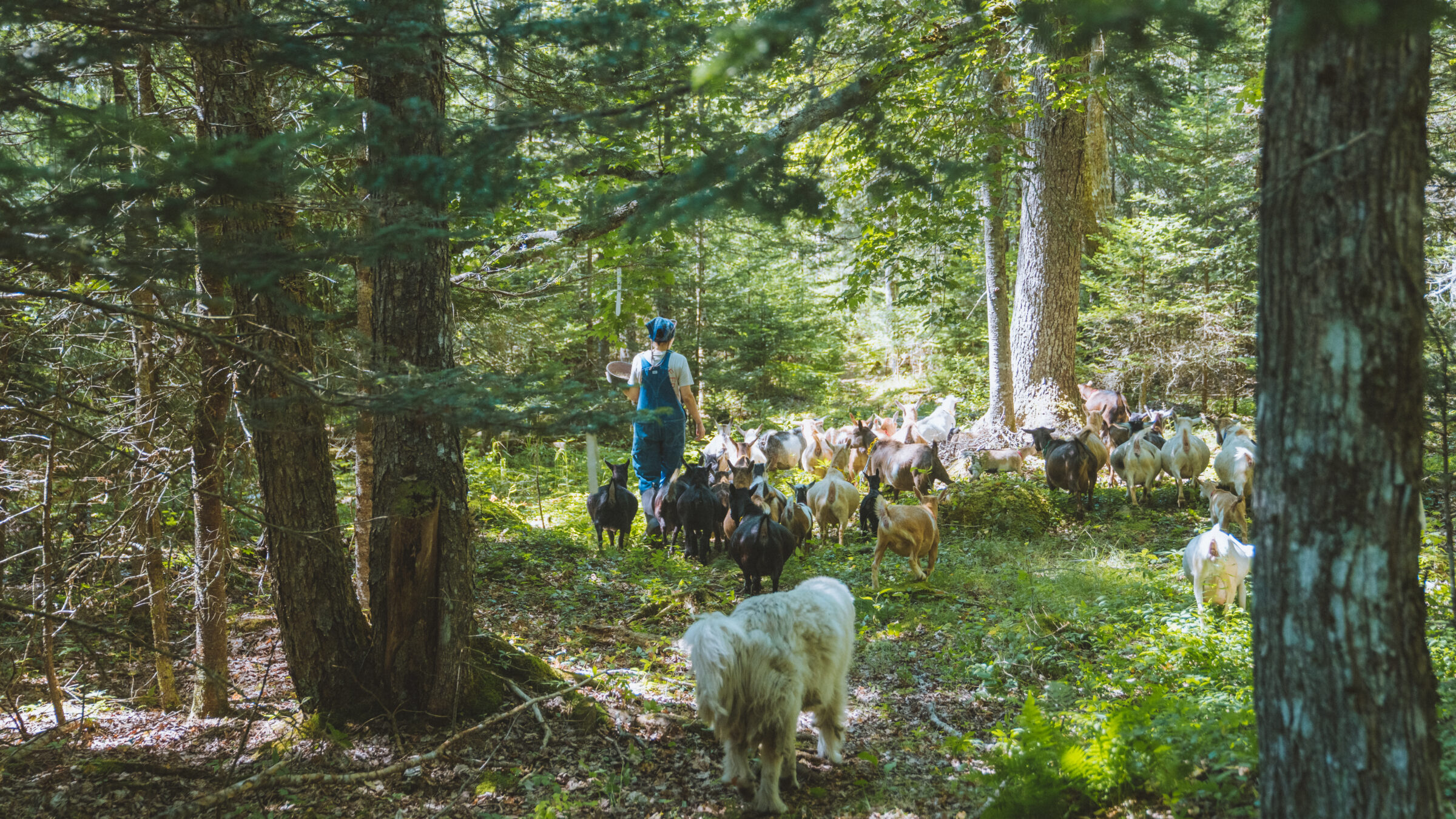
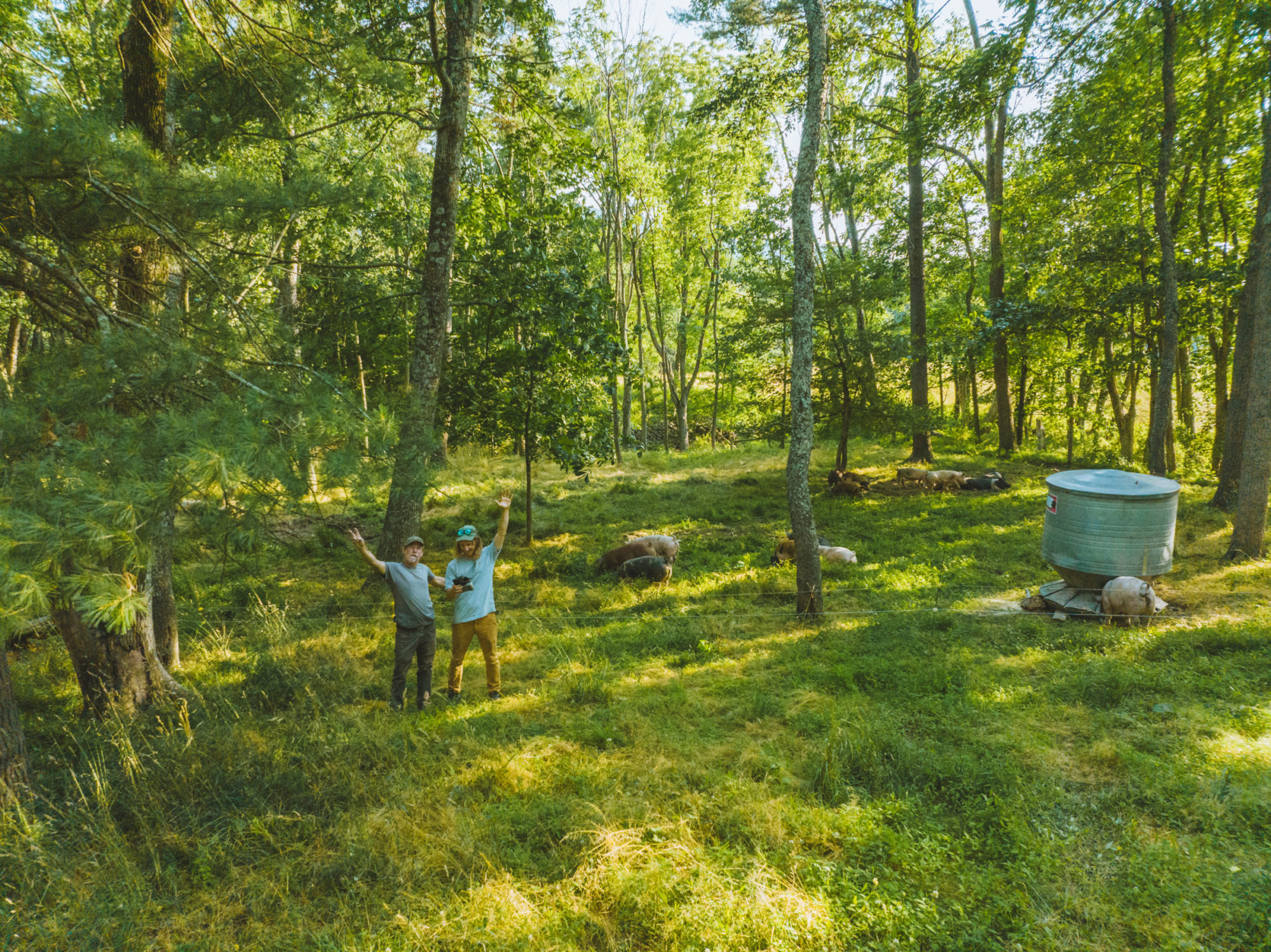
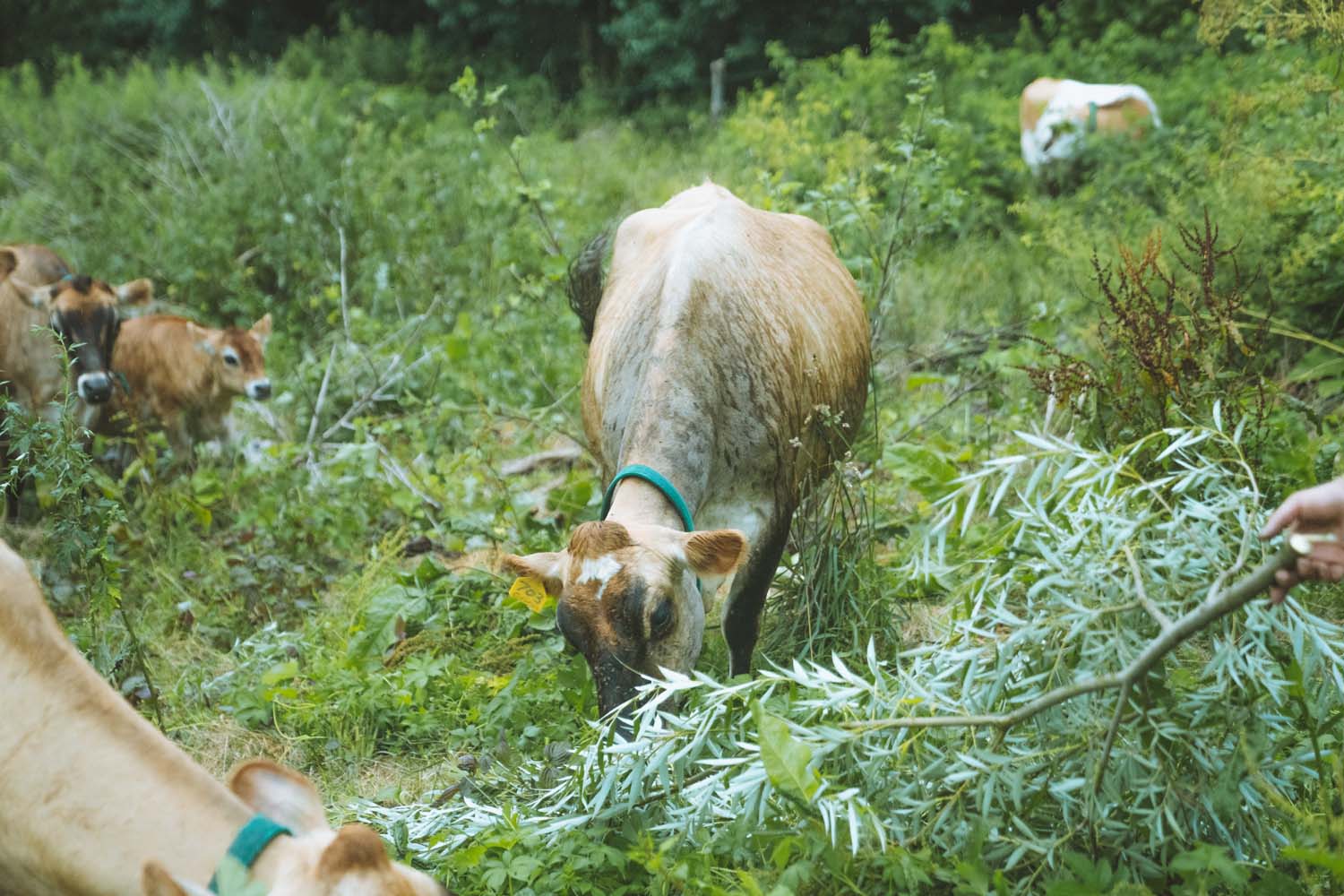
Filming offered a chance to witness the day-to-day decisions that make these systems work — how animals move through wooded paddocks, how farmers balance canopy and pasture, and how design and management evolve over time.
The result is a 10-part video series that highlights silvopasture as a living, working practice shaped by land and people.
The full video series is available through Farming with Trees collective, a decentralized network encouraging collaborative projects in agroforestry that are grounded in the wisdom and knowledge of people, communities and ecosystems.
Visit the Farming with Trees YouTube channel to view the full video series and additional agroforestry content.
Case Studies: A Closer Look
To complement the films, we developed a set of downloadable case study sheets that take a deeper look at each participating farm. Each one outlines the farm’s land base, management approach, and lessons learned — offering practical insight for producers, planners, and technical service providers interested in silvopasture systems.
Featured farms include:
- Apple Creek Farm
- Forks Farm
- Meadowfed Lamb
- Painted Pepper Farm
- Redbyrd Orchards
- Rising Locust Farm
- Springwood Dairy
- Sunny Crest Pastures
- Sweet Sourland Farms
Together, these profiles offer a snapshot of how silvopasture adapts to different ecological and operational contexts across the region.
A Collaborative Effort
This project brought together regional outreach, field documentation, and knowledge translation across multiple formats. Film shoots took place across several states, with photography and cinematography by Costa Boutsikaris of Inhabit Films.
Most importantly, the farmers themselves shaped this work. They opened their gates, shared their experiences, and continue to refine these systems in practice.
This project was made possible by a grant from the U.S. Department of Agriculture (USDA), Forest Service, National Agroforestry Center (NAC), under the authority of the Cooperative Forestry Assistance Act of 1978. USDA is an equal opportunity provider, employer, and lender.
All photos by Costa Boutsikaris, Inhabit Films.