
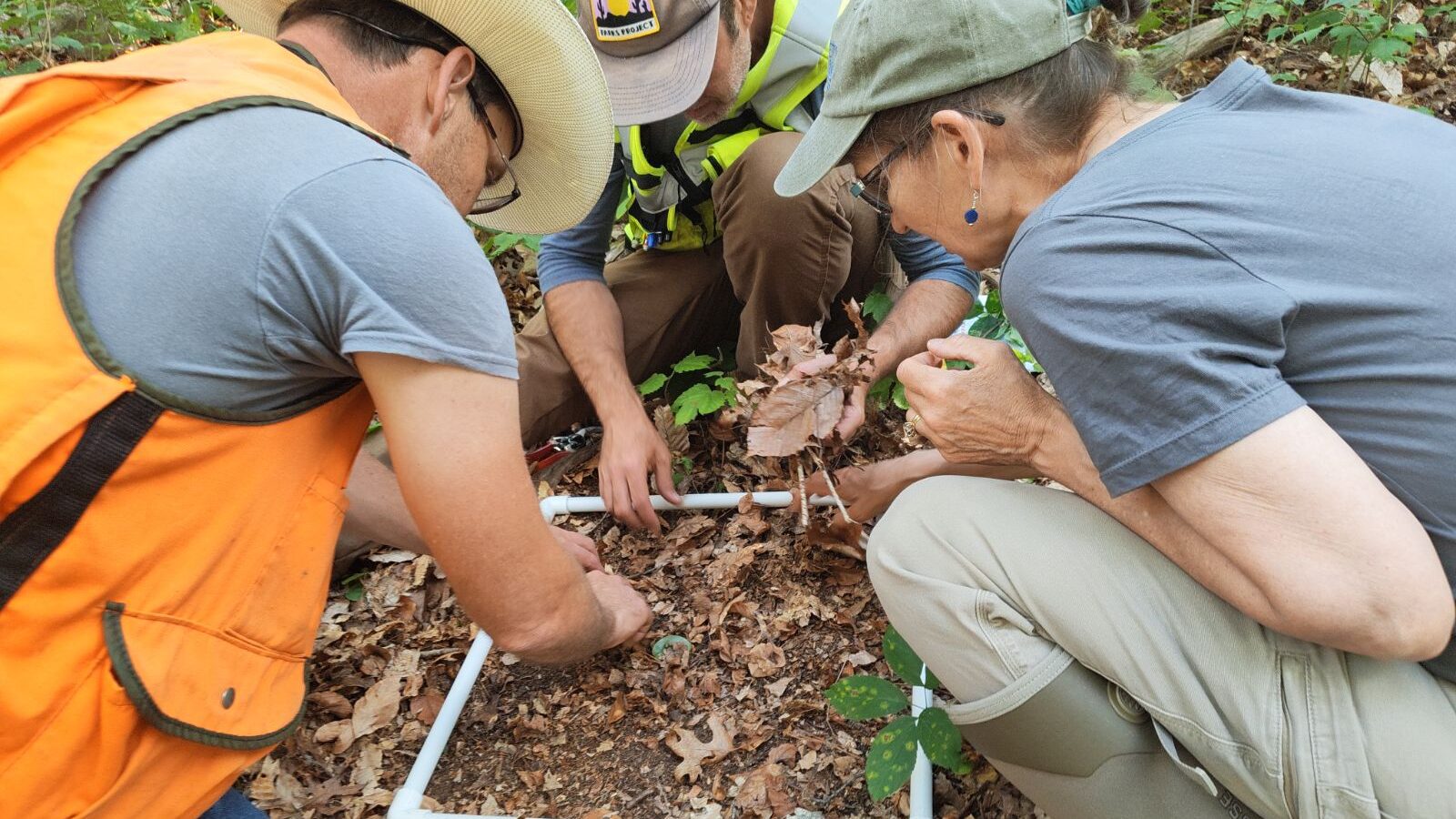
Ground-Truthing Carbon: Setting Protocols for the Healthy Soils Initiative
Before we can track how much carbon our landscapes store, we first have to agree on how to measure it. That’s the goal of the Healthy Soils Initiative’s soil-carbon sampling project, and RDG is helping shape it from the ground up.
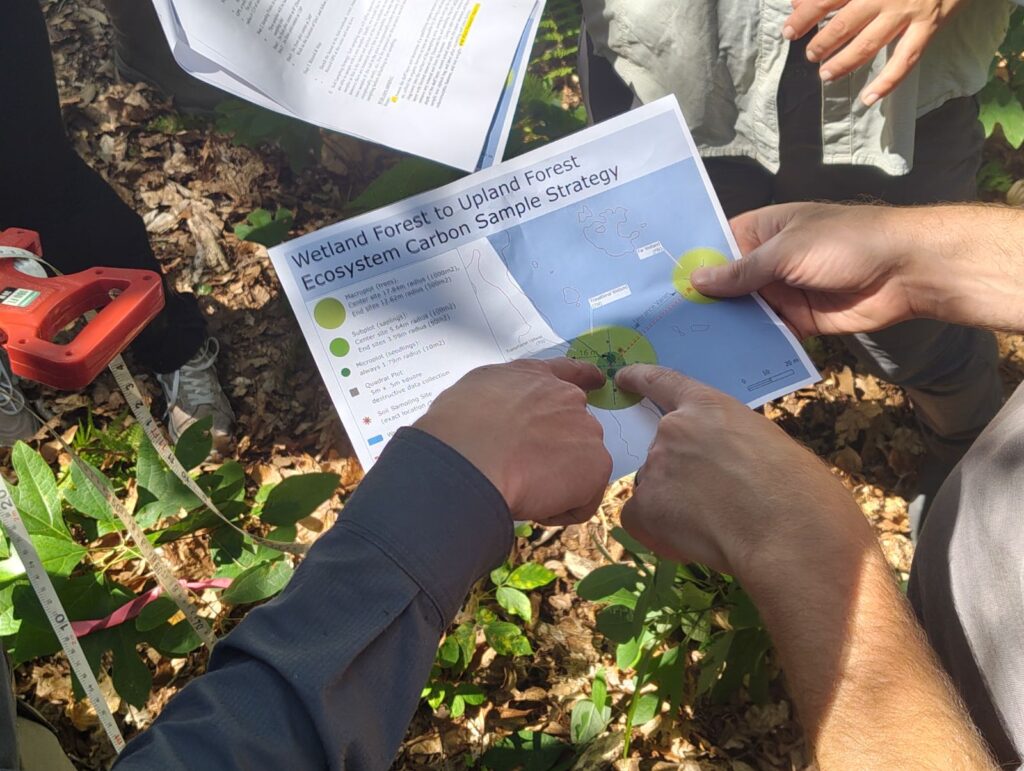
This statewide collaboration brings together the Woodwell Climate Research Center, Harvard Forest, BSC Group, and others to develop consistent, replicable methods for measuring carbon in forested uplands and wetlands. The protocols they’re building will eventually guide how Massachusetts studies and manages soil carbon, a foundation for understanding climate resilience across the Commonwealth.
Setting the Baseline
RDG’s role in this project was both technical and collaborative. Nate Card and Bas Gutwein lead the site-selection process, working closely with partner organizations to identify representative and accessible landscapes for testing. Using GIS, the team analyzed data for soils, wetland boundaries, vegetation, topography, and parcel boundaries to identify sites that capture the gradient between wetland and upland conditions and are accessible to field crews.
“We didn’t want to give the team a two-mile bushwhack with all their gear if we could avoid it,” Nate says. “So we factored in proximity to trails, parking, and overall accessibility, balancing ecological criteria with practical logistics.”
Once potential sites were mapped, RDG coordinated with partners at Mass Audubon, The Trustees of Reservations, and the Buzzards Bay Coalition to further refine site choices, taking into account everything from landowner permissions to parking access.
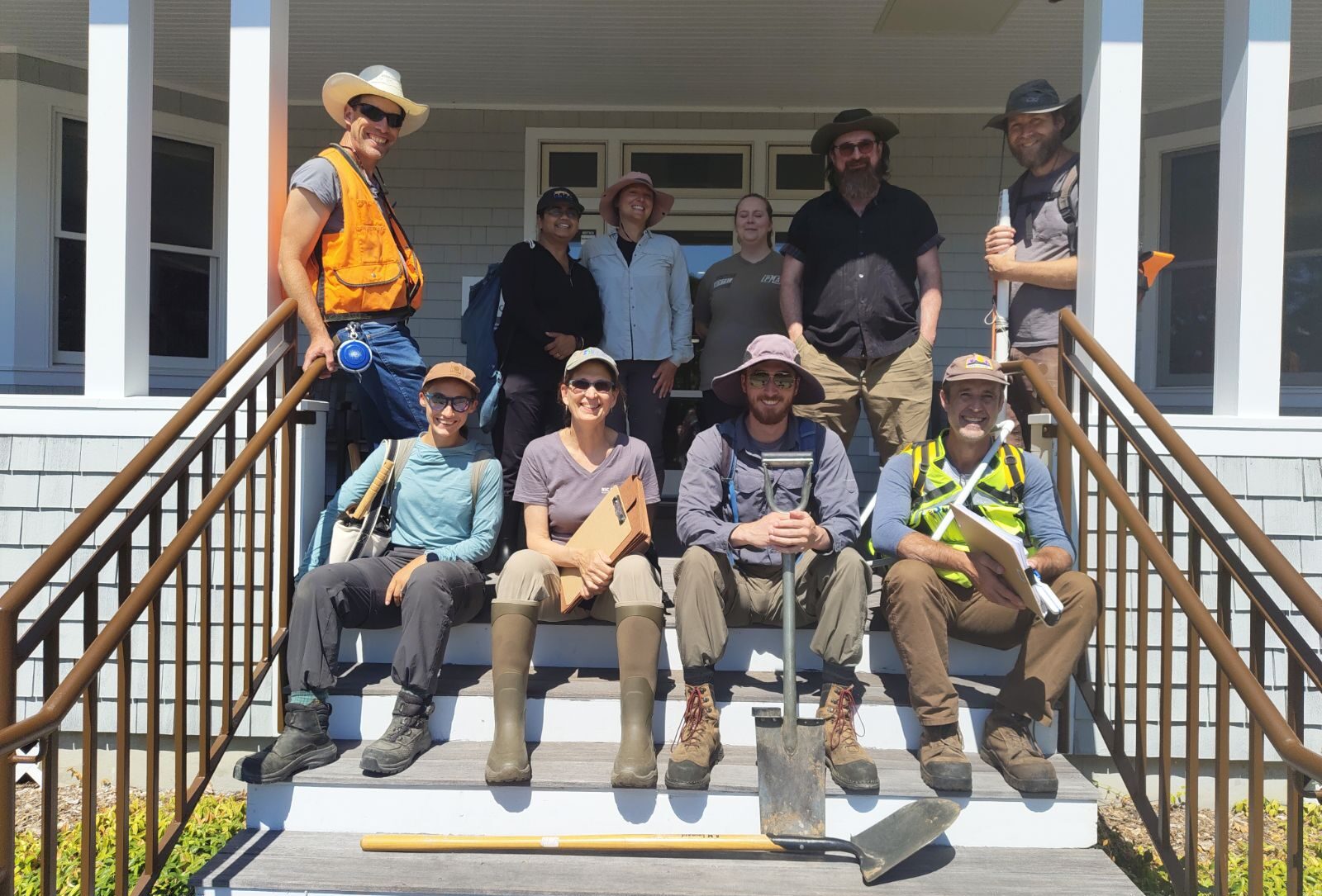
This phase of the project — designing and testing protocols — is setting the baseline for soil carbon research statewide. “It’s about standardizing,” Nate explains. “The intention is to design protocols for sampling soils in a variety of landscapes, starting with forested uplands and wetlands, in order to better account for carbon stocks and help the state plan for the future more accurately.” In July, partners gathered at the Woodwell Climate Research Center in Falmouth for a hands-on training day. The group reviewed maps, shared lunch over pizza boxes marked up with sampling diagrams, and practiced applying the draft protocols in a wooded area behind the facility.
“It was helpful to see how the theory translates to practice,” Nate recalls. “We walked through delineating a wetland boundary, setting up sample plots, and working through the sequence of soil and vegetation sampling.” The practice session led to refinements, making the process more efficient and reliable before official sampling began.
From Maps to Muddy Boots
By the time RDG rejoined the team in September for fieldwork at MassAudubon’s Arcadia Wildlife Sanctuary, in Easthampton, MA, the protocols had been adjusted and tested across several sites. Watching the process evolve gave Nate a front-row view of how research design meets field reality.
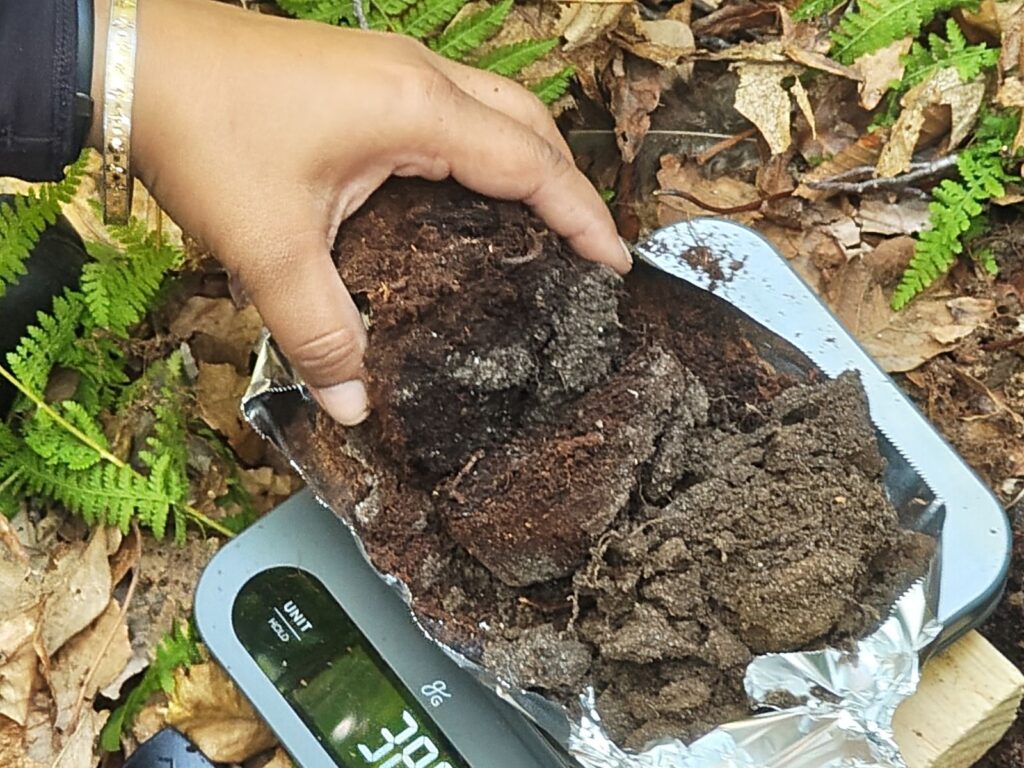 “It’s a privilege to have that kind of impact,” he says, “knowing the methods we’re helping test will influence how the state studies carbon for years to come.”
The experience also offered a refreshing change of pace. “Going out into the field is a nice juxtaposition to the studio-centric work we do day-to-day,” Nate adds. “It’s nice to see another application of geospatial data. That never gets boring, finding new ways to connect mapping to the world.”
The Healthy Soils Initiative is part of a larger movement to better understand how soil health contributes to climate resilience. Standardized carbon sampling is a small but essential piece of that puzzle, one that will inform how Massachusetts measures, protects, and restores its landscapes.
This effort underscores our commitment to site-specific design, collaboration, and ecological literacy. By connecting mapping, modeling, and on-the-ground experience, RDG is working to ensure that science and design continue to support the living systems beneath our feet.
Related Posts

Excelent work these are the type of protocols and standards Landscape developers and ecology practitioners can make real use of.